

- Home
- Women’s Health Physiotherapy in Calgary
Women’s Health Physiotherapy in Calgary
Personalized Care Through Every Stage of Life
Book Your Appointment
Confidence and Comfort Through Every Life Stage
- Are you dealing with pelvic pain, bladder leakage, or discomfort during pregnancy or after childbirth?
- Have changes in your body left you unsure where to turn for support that actually understands what you’re going through?
Women’s health concerns can affect comfort, confidence, exercise, sleep, work, relationships, and everyday routines. East Hills Physiotherapy provides women’s health physiotherapy in Calgary for pelvic floor concerns, pregnancy-related discomfort, postpartum recovery, bladder or bowel symptoms, pelvic pain, core weakness, and movement changes through different life stages. Your care begins with a private conversation about your symptoms, medical history, goals, and comfort. We explain each part of the assessment before proceeding and only include techniques you understand and agree to.
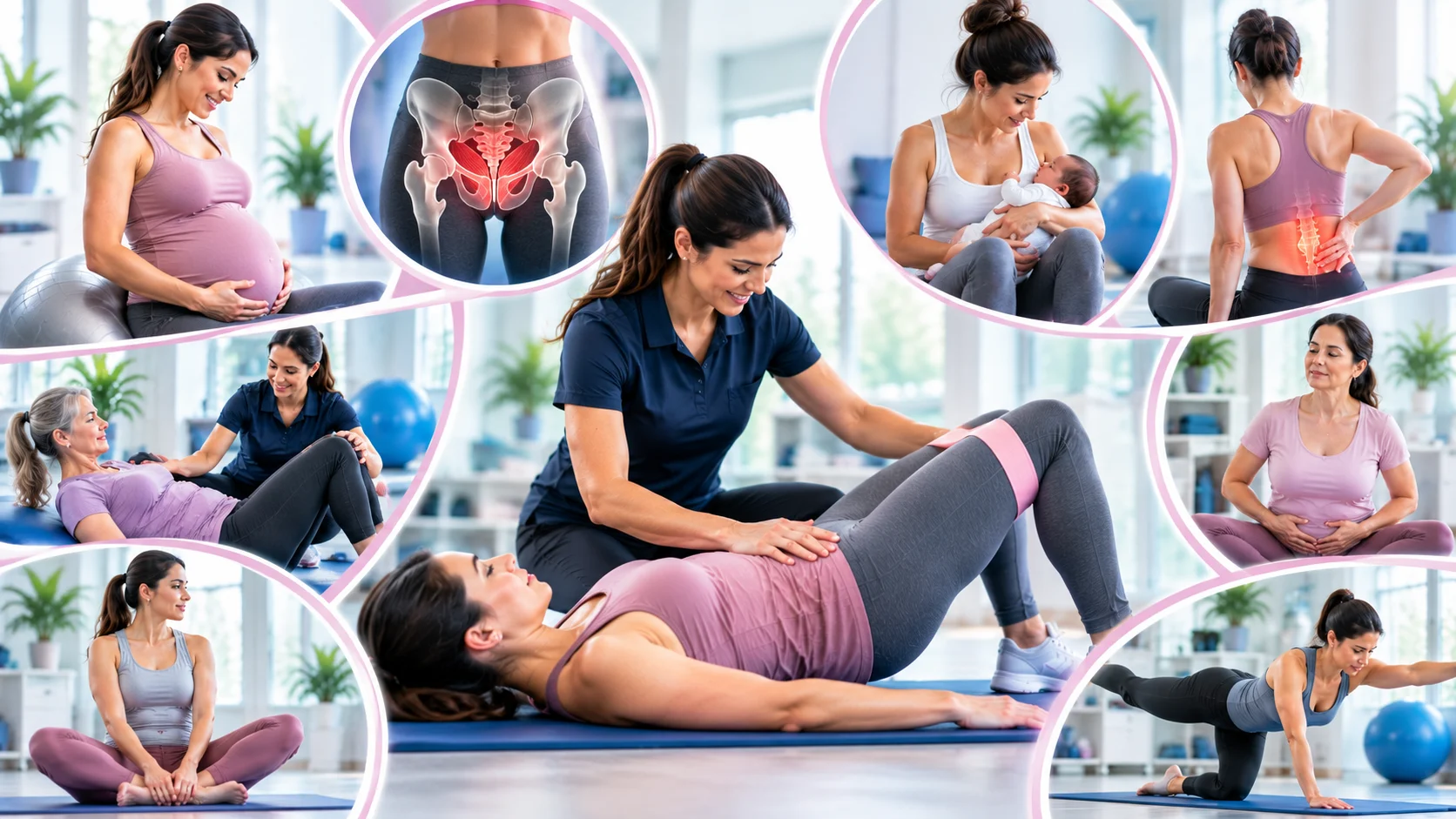
What Is Women’s Health Physiotherapy?
Women’s health physiotherapy focuses on physical concerns connected to the pelvic floor, pregnancy, childbirth, hormonal transitions, abdominal function, bladder and bowel control, sexual comfort, and musculoskeletal movement.
The pelvic floor is a group of muscles and connective tissues that supports the bladder, bowel, uterus, and pelvic organs. These muscles also contribute to continence, sexual function, breathing, posture, and trunk control.
Women’s health physiotherapy may review how the pelvic floor works together with the:
- Abdominal muscles
- Diaphragm
- Back muscles
- Hips
- Pelvis
- Gluteal muscles
- Posture
- Breathing pattern
A pelvic floor can be weak, tense, poorly coordinated, or a combination of these. This is why strengthening exercises are not appropriate for every person without an assessment.
Why Women's Health Physiotherapy Matters
Many women accept pelvic discomfort, bladder leakage, or core weakness as something they simply have to live with. That isn’t the case.
- Pregnancy and childbirth add significant demands on the pelvic floor, core, and surrounding structures.
- Hormonal changes throughout life, including postpartum and menopause, can affect tissue comfort, strength, and bladder control.
- Left unaddressed, these changes can affect exercise, intimacy, work, and everyday confidence.
- With the right physiotherapy support, real improvement in comfort, strength, and function is possible.
- Understanding your body and having a clear plan can bring reassurance during periods of significant physical change.
Conditions We Support With Women's Health Physiotherapy
Pregnancy-Related Discomfort
Pregnancy changes posture and loading through the back, hips, and pelvis. Physiotherapy may support pelvic girdle pain, lower back discomfort, and pelvic pressure, with care adjusted to each stage of pregnancy.
Postpartum Recovery
Care after vaginal or Cesarean birth may address pelvic pain, bladder leakage, core weakness, scar sensitivity, and a safe, gradual return to exercise.
Bladder Leakage and Urinary Incontinence
Leakage during coughing, sneezing, laughing, or exercise is common but not something you have to accept. Pelvic floor treatment focuses on pelvic floor training, bladder habits, breathing, and functional movement practice.
Pelvic Pain
Pelvic pain may involve the lower abdomen, pelvis, hips, or lower back. Treatment often emphasizes muscle relaxation, breathing, mobility, and a gradual return to activity.
Diastasis Recti and Core Weakness
Abdominal separation following pregnancy is addressed through breathing, abdominal wall control, pressure management, posture, and gradual strengthening for lifting, exercise, and daily movement.
Menopause-Related Changes
Hormonal shifts during perimenopause and menopause affect bladder control, pelvic comfort, and tissue sensitivity. Female pelvic floor physiotherapy supports strength, relaxation, mobility, and symptom education during this stage of life.
Pelvic Organ Prolapse
Symptoms of heaviness, pressure, or dragging may improve with pressure management, pelvic floor support, breathing, lifting habits, and gradual strengthening.
Painful Intercourse
Discomfort during intimacy may relate to pelvic muscle tension, scar sensitivity, hormonal changes, or previous pain. Care supports relaxation, tissue mobility, comfort, and body awareness.
Back and Hip Pain Related to Hormonal or Life Stage Changes
Changes in posture, joint laxity, or muscle strength throughout different life stages can contribute to back and hip discomfort, which physiotherapy can help address through targeted exercise and manual therapy.
How Women's Health Physiotherapy Differs From General Physiotherapy
Women’s health physiotherapy in Calgary shares many of the same tools as general physiotherapy, but the focus and approach are shaped around the specific demands placed on a woman’s body throughout life.
- Assessment often includes a review of pelvic floor and core function alongside the areas of pain you’re experiencing.
- Treatment considers pregnancy, childbirth, and hormonal changes as factors that influence your symptoms, rather than treating each complaint in isolation.
- Exercises are chosen with attention to breathing, pressure management, and pelvic floor coordination, not just general strengthening.
- Privacy, consent, and comfort are prioritized throughout every stage of assessment and treatment.
- Your physiotherapist explains available options clearly, so you always understand what’s being suggested and why
What Happens During Your Women's Health Physiotherapy Visit
Every sports injury is different, and every athlete has different goals. Your care plan reflects your symptoms, your sport, your activity level, your recovery stage, and what you want to return to.
Your Initial Assessment
Your physiotherapist reviews your symptoms, health history, pregnancy or childbirth history, current life stage, and goals, then assesses posture, movement, core function, and comfort to build a plan around your needs.
Pelvic Floor and Core Assessment
Your physiotherapist assesses how your pelvic floor and core muscles are functioning, since these muscles need to do more than tighten. They also need to relax, lengthen, and coordinate with your breathing and movement.
Pelvic Floor Muscle Training
Pelvic floor exercises may involve strengthening, endurance, quick contractions, relaxation, or coordination with breathing and movement.
Manual Therapy
Hands-on treatment may include soft tissue work around the hip, lower back, and pelvic region to address related muscle tightness, joint restriction, and postural changes that contribute to your symptoms.
Scar Mobility Support
Scars from Cesarean birth, abdominal procedures, or pelvic surgery may feel sensitive, tight, numb, or restricted.
Bladder and Bowel Education
Education may address bladder habits, fluid intake, urgency strategies, constipation, toileting position, breathing, and avoiding repeated straining.
Education and Lifestyle Guidance
You'll receive guidance on posture, breathing, safe lifting, and daily habits that support your recovery between visits, along with a personalized home exercise program.
Support at Every Stage of Life
Pelvic floor physiotherapy isn’t limited to one period of life. It supports you through:
- During pregnancy, managing pelvic pressure, back pain, hip discomfort, and preparation for childbirth as your body changes week by week
- After childbirth, addressing pelvic pain, core weakness, scar sensitivity, bladder changes, and a gradual, well-paced return to exercise
- During perimenopause and menopause, supporting bladder control, pelvic comfort, and tissue changes linked to hormonal shifts
- Throughout adulthood, whenever pelvic, core, or hip-related symptoms affect your daily life, work, sleep, or exercise routine
- Later in life, helping maintain strength, mobility, and confidence as your body continues to change
Your needs at each of these stages are different, and your treatment plan is built to reflect that rather than following a single fixed approach regardless of where you are in life.
Is Women's Health Physiotherapy Covered by Insurance?
Women’s health physiotherapy is provided as part of physiotherapy care at East Hills Physiotherapy and may be covered through:
- Extended health benefits, subject to your annual maximum and per-visit allowance
- Direct billing with participating insurance providers, reducing the need to submit receipts yourself
- A physician’s referral is usually not required to book physiotherapy, though some insurers may request one for reimbursement
- Some plans have separate coverage for maternity or postnatal physiotherapy, which is worth confirming with your provider
A Judgment-Free Space to Ask Questions
Many women feel unsure whether their symptoms are worth mentioning, or worry they’ll be told discomfort is simply something to expect after having children or as they get older. That isn’t the approach we take.
- You’re encouraged to ask questions about anything related to your pelvic health, core function, or recovery, no matter how small it may seem
- Sessions are private, and your comfort guides the pace of every assessment and treatment
- There’s no symptom too minor to bring up, since small concerns often connect to larger patterns worth addressing early
- Your pelvic health physiotherapist takes the time to explain findings in plain language, so you leave with a clear understanding of your body and your plan
Why Choose East Hills Physiotherapy
Private, Respectful Care
Women’s health concerns are personal. Appointments are approached with clear communication, informed consent, privacy, and respect for your comfort.
Personalized Treatment
Your plan reflects your symptoms, life stage, goals, and daily demands rather than a generic protocol.
Practical Strategies for Daily Life
Treatment connects directly with lifting, exercise, work, sleep, intimacy, and daily habits, giving you tools you can use outside the clinic.
Support Through Every Life Stage
From pregnancy through postpartum recovery and menopause, our physiotherapists support women through every stage of change.
Support Your Body Through Every Stage
Pregnancy, childbirth, and hormonal changes throughout life can bring physical challenges that deserve real support, not silence. At East Hills Physiotherapy, our Women’s Health Physiotherapy in Calgary focuses on comfort, strength, and practical improvements in daily life.
Our physiotherapists are ready to listen, assess your condition without judgment, and work with you on a personalized program to restore function, reduce discomfort, and rebuild your confidence in your body.
Book your Women’s Health Physiotherapy appointment in Calgary with East Hills Physiotherapy today.
Meet Our Women’s Health Physiotherapy Team

Aanchal Badhwar
Physiotherapist
Aanchal supports pelvic health concerns for women and men, including pelvic floor coordination, core function, jaw concerns, and movement limitations. Her background includes dry needling, manual therapy, mobility instruction, strengthening, and previous personal-training experience.

Suchi Gidwani
Physiotherapist
Suchi brings more than 13 years of physiotherapy experience and has training in pelvic health, manual therapy, and dry needling. She supports women experiencing pelvic floor concerns, musculoskeletal discomfort, mobility limitations, and reduced confidence with daily activity.
Frequently Asked Questions
Understanding Women’s Health Physiotherapy
Women’s health physiotherapy supports pelvic floor, pregnancy, postpartum, bladder, bowel, pelvic pain, core, and movement concerns through assessment-led exercise, education, breathing, mobility, strengthening, and practical home guidance shaped around your goals.
People may benefit when leakage, urgency, pelvic pressure, pain, constipation, pregnancy discomfort, postpartum changes, or menopause-related symptoms affect exercise, work, sleep, intimacy, everyday movement, and confidence with daily activities.
Pelvic floor physiotherapy focuses on muscles and tissues supporting bladder, bowel, uterus, continence, sexual function, breathing, posture, and trunk control. Treatment depends on whether muscles are weak, tense, or poorly coordinated.
No. Pelvic floor concerns may occur during pregnancy, after childbirth, around menopause, after surgery, or at other life stages. Care is based on symptoms, function, comfort, personal goals, and changing needs.
Your first appointment includes a private conversation about symptoms, medical history, pregnancy or childbirth, bladder and bowel habits, pelvic pain, exercise, daily limitations, and the goals you want to reach.
A pelvic floor assessment may be discussed when it could provide useful information. Your physiotherapist explains the process, reasons, options, and alternatives, and you may decline or stop any part.
Pregnancy and Postpartum Recovery
Pregnancy physiotherapy may support pelvic girdle discomfort, back pain, hip tension, bladder leakage, posture changes, constipation, and movement confidence. Care is adjusted to pregnancy stage, medical guidance, and comfort throughout care.
Prenatal physiotherapy may include breathing, pelvic floor coordination, hip strengthening, posture guidance, mobility, and strategies for turning in bed, using stairs, lifting, and managing daily activity more comfortably during pregnancy.
Postpartum physiotherapy may support pelvic floor coordination, abdominal recovery, scar mobility, bladder or bowel concerns, back or pelvic discomfort, lifting, feeding posture, gradual return to exercise, and daily activity.
Timing depends on healing, birth experience, symptoms, and medical guidance. You can contact the clinic early to discuss concerns, while hands-on or internal assessment may wait until appropriate for your recovery.
Postpartum exercise progression may review walking tolerance, pelvic symptoms, core control, leg strength, balance, impact tolerance, lifting technique, and recovery between sessions before returning to running or gym training again.
Yes. After sufficient healing and medical clearance, physiotherapy may include education, gentle scar mobility, desensitization, breathing, posture, and surrounding tissue work according to your comfort, recovery stage, and goals.
Menopause and Different Life Stages
Perimenopause and menopause may affect bladder habits, pelvic tissues, muscle strength, sleep, sexual comfort, and exercise tolerance. Physiotherapy may support coordination, strength, relaxation, mobility, and activity confidence during this transition.
Yes. Physiotherapy may address urgency, leakage, pelvic discomfort, reduced strength, and movement confidence during menopause. Medical input may also be appropriate for bleeding, infection, significant tissue changes, or pain.
Women’s health physiotherapy may support teenagers, adults, pregnant people, postpartum recovery, and older adults. Care is based on symptoms, health history, comfort, activity goals, individual life stage, and needs.
Yes. Physically active women may benefit when leakage, pelvic pressure, pain, core weakness, or reduced confidence affects running, lifting, jumping, cycling, gym training, or other physical activities during regular training.
Yes. Women’s health physiotherapy may support pelvic floor coordination, scar mobility, abdominal function, bladder or bowel concerns, and movement after pelvic or abdominal procedures once healing and medical guidance allow.
Women’s health physiotherapy considers pelvic floor, core, hip, back, breathing, bladder, bowel, pregnancy, postpartum, and menopause-related concerns, while general physiotherapy may focus more broadly on musculoskeletal or neurological movement needs.
Privacy, Consent, and Safety
Yes. You remain in control throughout the appointment. Your physiotherapist explains each step, asks for consent, offers alternatives, and allows you to decline, pause, or stop any part of care.
Tell your physiotherapist if you feel pain, anxiety, discomfort, or uncertainty. The assessment can be changed, paused, or stopped, and other approaches may be used instead when appropriate for you.
Internal assessment is not automatically required. It may be discussed when useful, but you can choose external assessment, education, movement review, exercise, or another approach based on your comfort level.
Seek medical care for heavy or unexplained bleeding, fever, sudden severe pelvic pain, inability to urinate, new loss of bladder or bowel control, chest discomfort, or significant leg swelling promptly.
Pregnancy-related symptoms that feel sudden, severe, or concerning should be discussed with your medical provider. Physiotherapy can support many physical concerns, but some changes require medical assessment before treatment.
Yes. Care can be adapted around mobility limits, fatigue, previous surgery, pain, pregnancy, postpartum recovery, menopause, and other health factors. Your comfort and safety guide the appointment from start onward.
Bladder, Bowel, and Prolapse Concerns
Leakage during coughing, sneezing, laughing, lifting, running, or jumping may relate to pelvic floor timing, strength, pressure management, breathing, or movement control. Physiotherapy may address these contributing factors through personalized care.
Yes. Physiotherapy may include pelvic floor coordination, breathing, bladder education, urge-management strategies, fluid-habit review, and gradual changes to bathroom routines based on your symptoms, daily schedule, and comfort goals.
Constipation may involve pelvic floor tension, poor coordination, repeated straining, breathing habits, or toileting position. Care may include relaxation, abdominal movement, breathing, pelvic floor coordination, and practical bathroom guidance at home.
Yes. Bladder and bowel habits can influence pelvic floor symptoms. Physiotherapy may discuss fluid patterns, urgency, straining, toileting position, breathing, movement, and practical routines that support daily comfort and confidence.
Pelvic heaviness or pressure may be associated with prolapse symptoms. Physiotherapy may support pelvic floor function, pressure management, lifting technique, bowel habits, and activity tolerance without promising structural reversal of the change.
Some urgency can improve with pelvic floor coordination, breathing, bladder retraining, and urge-management strategies. Results vary, and medical review may be needed when symptoms are sudden, painful, unusual, or changing.
Pelvic Pain, Intimacy, and Core Recovery
Pelvic pain may involve muscle tension, scar sensitivity, hip or back movement, pelvic floor coordination, or nervous-system sensitivity. Treatment is gradual, consent-based, and shaped around your comfort and goals throughout care.
Pain during or after intercourse can have several contributors. Physiotherapy may address pelvic floor tension, breathing, muscle awareness, scar mobility, and gradual relaxation strategies, while medical review may also be appropriate.
No. Some pelvic floor problems involve excessive tension or poor relaxation rather than weakness. An assessment helps determine whether your program should emphasize strengthening, relaxation, coordination, or a combination over time.
Core rehabilitation may include breathing, pelvic floor coordination, bridges, heel slides, clamshells, sit-to-stand practice, squats, step-ups, carrying, and gradual resistance exercises based on your current ability and daily goals.
Diastasis recti physiotherapy may review breathing, abdominal control, pressure management, posture, lifting, and gradual strengthening. Care focuses on function, confidence, and movement rather than the gap width alone during recovery.
Yes. Pelvic floor physiotherapy may support people returning to yoga, running, lifting, gym training, or sport by reviewing impact tolerance, strength, pressure management, symptoms, and recovery between sessions during progression.
Treatment and Home Exercise Programs
Treatment may include pelvic floor exercises, breathing, bladder or bowel education, mobility, hip and core strengthening, manual therapy, scar support, posture guidance, and a personalized home program for daily practice.
Exercises may include pelvic floor contractions, relaxation, diaphragmatic breathing, bridges, clamshells, heel slides, sit-to-stand practice, squats, step-ups, hip strengthening, and carrying drills matched to your goals and current ability level.
Breathing helps coordinate the diaphragm, abdominal muscles, and pelvic floor during lifting, coughing, bowel movements, exercise, and daily tasks. It may also support relaxation when pelvic floor tension is present.
Manual therapy may support mobility and reduce muscle guarding through the hips, back, pelvis, abdomen, or surrounding tissues. It is included only when appropriate, explained clearly, and accepted by you.
Home programs help you practise breathing, pelvic floor coordination, mobility, strength, bladder strategies, and functional movement between visits. Exercises are adjusted when symptoms, comfort, ability, or goals change over time.
Progress depends on the concern, symptom duration, healing, life stage, exercise consistency, and daily demands. Some people notice changes within weeks, while others need a longer period of care overall.
Insurance, Booking, and East Hills Physiotherapy
Many extended health plans may cover women’s health physiotherapy under regular physiotherapy benefits. Coverage limits, referral rules, eligible services, and reimbursement amounts vary, so confirm details with your insurer directly.
A physician’s referral is generally not required to book, but some insurers request one before reimbursement. Pregnancy, surgical, workplace, or motor vehicle claims may have separate authorization requirements for treatment.
Direct billing may be available for participating plans, depending on your insurer, policy, clinic arrangements, and submitted information. Bring your insurance details so available billing options can be reviewed beforehand.
Bring insurance details, relevant medical notes, medication information, and questions about symptoms, pregnancy, childbirth, surgery, bladder or bowel habits, exercise, and goals. Wear comfortable clothing for movement assessment activities.
East Hills Physiotherapy provides private, respectful care shaped around your symptoms, life stage, comfort, and goals. Plans may include education, exercise, breathing, mobility, manual therapy, and home guidance when appropriate.
Aanchal Badhwar and Suchi Gidwani support pelvic health concerns, while Ramesh Bimagani may assist with broader musculoskeletal, balance, spinal, and movement needs that accompany women’s health care when appropriate for you.
Contact East Hills Physiotherapy and share your main concern, preferred Calgary location, schedule, insurance details, and any accessibility needs. Our administration team can explain booking requirements and appointment options clearly.
The goal is to improve pelvic floor and core coordination, support bladder or bowel function, reduce movement-related discomfort, and help you return to meaningful daily activity with greater confidence overall.
Reviews
Amazing service! The chiropractor (Dr. Harmander) is very knowledgeable and caring. He explained everything clearly and made me feel comfortable during the treatment. I noticed improvement in my pain after the visit. Highly recommended.
My partner has been working with Aanchal for her pelvic floor needs and she can’t rave about her enough. She is very personable and thoughtful, puts you at ease instantly. She has taken pelvic floor sessions before from another provider, however Aanchal is truly passionate about her craft and it shows. The exercise program is very simple but effective. Love the smiling staff for all their help!
I started with this clinic about 6 month ago. Doing massages with Janki Devi, she is great. Every time she working on different zones and even wearing a socks after message for me. Also started to visit psychotherapist , just a couple sessions now. Neck feels better. Want to try chiropractor as well.
My partner and I have been seeing the chiropractor for almost a year. He is very helpful and knowledgeable. We like that he gives exercises for home so we can work on our postures at home too. Highly recommend this clinic!
Aanchal and Ramesh have been phenomenal with helping me with my car accident therapy. My jaw and concussion related care was excellent and I feel instant relief with each session. My headaches have reduced and am able to work better thanks to my awesome physios!