

A concussion can affect your thinking, balance, mood, sleep, memory, vision, and movement. Symptoms may begin right after a fall, sport impact, workplace injury, or car accident, but they can also appear hours or days later. If you are looking for Concussion Physiotherapy Calgary
, East Hills Physiotherapy provides care focused on symptom relief, brain recovery, neck tension relief, balance retraining, and safe return to daily life.
Our team supports clients with concussion physiotherapy, post-concussion rehab, recovery therapy after concussion, vision and balance retraining, and rehab exercises based on how symptoms are affecting daily function.
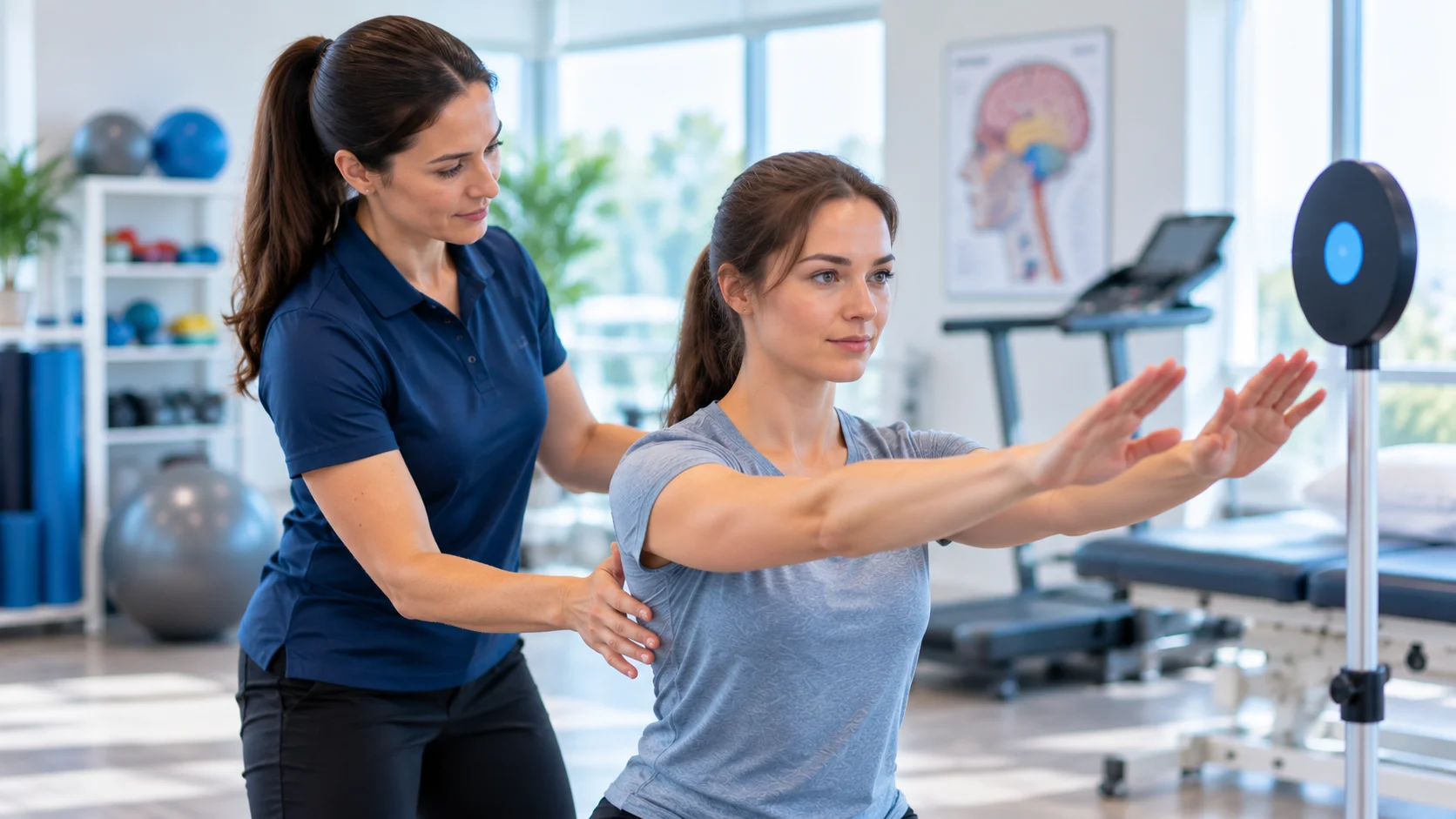
After a concussion, your brain, neck, eyes, balance system, and nervous system may all need care. At East Hills Physiotherapy, we look at how your symptoms show up in real life while working, studying, driving, exercising, reading, using screens, or trying to sleep.
Doing too much too soon can trigger headaches, dizziness, nausea, fatigue, or brain fog. On the flip side, resting for too long without guided movement can make daily activities feel harder. Our goal is to help you move forward at a pace your body can handle.
Symptom Tracking – We review headaches, dizziness, nausea, fatigue, screen sensitivity, sleep changes, memory concerns, mood shifts, cognitive anxiety symptoms, and activity-related flare-ups.
Gentle Activity Planning – We help you return to light movement in a way that supports the brain’s way of healing without overwhelming your system.
Neck Tension Relief – Impact can strain the neck and upper back, leading to stiffness, headaches, jaw tightness, or pressure around the head. Manual therapy, soft tissue work, and exercise may help relieve neck tension.
Memory and Focus Support – Memory exercises and brain exercises for memory may be used when focus, recall, processing speed, or mental fatigue are affecting your day.
Whole-Body Recovery Support – We may use concussion physiotherapy, vestibular rehabilitation, balance retraining, postural education, exercise prescriptions, and hands-on care depending on your symptoms.
You may want to start concussion physiotherapy when symptoms are affecting work, school, driving, sports, sleep, mood, or normal routines. You may feel “not quite right” even if your symptoms seem mild at first.
Some people only notice problems when they return to screens, reading, busy stores, physical work, or exercise. Others may feel neck pain, headaches, dizziness, or balance issues right away.
Headaches or Head Pressure – Pain may increase with reading, bright light, noise, screen use, exercise, or long conversations.
Dizziness or Balance Problems – You may feel unsteady when walking, turning your head, bending, standing quickly, or moving through busy places.
Neck Pain and Stiffness – Neck strain can limit movement and may create a need for neck tension headache relief.
Vision Changes – Reading, tracking movement, focusing on screens, or tolerating bright environments may feel difficult.
Brain Fog and Memory Issues – You may feel slower, forgetful, distracted, or mentally drained after simple tasks.
Mood and Sleep Changes – Irritability, anxiety, sadness, low energy, and poor sleep may appear after concussion.
Jaw, Shoulder, or Upper Back Tension – Some people develop TMJ discomfort, shoulder tightness, or upper back stiffness after impact.
Post-concussion rehab helps your brain, eyes, neck, balance system, and body work together again. We do not rush the process. Instead, we build tolerance step by step so daily life feels more manageable.
Your care may include rehab exercises, recovery therapy after concussion, vision and balance retraining, manual therapy, vestibular rehabilitation, gait and balance retraining, and activity pacing.
We guide activity levels to support brain recovery while reducing symptom flare-ups.
When dizziness, vertigo, imbalance, migraines, or motion sensitivity are present, we use targeted techniques to help your balance system settle.
Exercises may help improve steadiness during walking, turning, stairs, sports, and work tasks.
Eye movement, gaze control, head movement, and balance tasks may help with reading, screens, driving, and busy spaces.
We may use walking drills, turning practice, reaction training, and coordination tasks to rebuild confidence.
We provide home exercises between visits so recovery continues outside the clinic.
Care may also support people dealing with fear, stress, muscle guarding, or reduced confidence after a fall, collision, or sport injury.
Many people ask, “How long does concussion rehab take?” Recovery time can vary. It depends on your symptoms, sleep, stress, neck involvement, previous concussions, activity demands, and overall health.
Some people improve within a short period. Others need more time, especially when symptoms have continued for weeks or months. With concussion management in Calgary, we focus on steady progress, not guesswork.
More symptoms may require a slower, more layered care plan.
Neck stiffness can keep headaches, dizziness, pressure, and screen sensitivity going.
Reading, driving, computer work, meetings, and concentration may affect recovery speed.
Athletes and active clients need staged rehab to return to sport safely.
Cognitive anxiety symptoms may increase fatigue, tension, worry, and sleep disruption.
Poor sleep can increase headaches, irritability, and low energy.
TMJ pain, migraines, previous neck injuries, chronic pain, sinus pressure, or vestibular concerns may affect the plan.
Yes. Dizziness and balance concerns are common after concussion. You may feel off balance in grocery stores, gyms, hallways, traffic, or while turning your head quickly.
At East Hills Physiotherapy, we may use vestibular rehabilitation, gait and balance retraining, and balance and coordination therapy to help your body regain steadier movement.
These help your eyes, head, and balance system work together more comfortably.
These support steadiness during daily movement.
These exercises may help with symptoms triggered by bending, rolling, looking up, or standing.
We look at walking patterns when concussion symptoms affect balance, confidence, or coordination.
We use specific activities to help reduce dizziness and improve control.
Activity-based drills may help prepare your body for job tasks, fitness routines, or sport demands.
Yes. A concussion often happens with force that also affects the neck, jaw, shoulders, and upper back. Tight muscles, joint stiffness, and poor posture after injury may contribute to headaches or pressure around the head.
We use hands-on care such as joint mobilization, range of motion work, soft tissue mobilization, and deep tissue techniques to reduce stiffness and improve movement.
When appropriate, spinal manipulation or spinal adjustment may be used to apply controlled pressure to the spine or a joint to help reduce pain and improve function.
Soft tissue care may help reduce tension around the neck, jaw, shoulders, and upper back.
Acupuncture may be used for pain, stiffness, headaches, chronic fatigue, fibromyalgia, and other painful conditions when it fits your care plan.
Instrument-assisted soft tissue mobilization may help address scar tissue, fascial restrictions, and chronic soft tissue irritation.
Care may focus on neck tension headache relief, posture, screen tolerance, and pacing.
Some people ask about mucus relief when head pressure feels connected to sinus or nasal congestion. We can discuss these symptoms and help you decide whether physiotherapy care fits your situation.
Dry needling may help reduce muscle tension, trigger point pain, headaches, jaw discomfort, neck pain, back pain, shoulder pain, and limited range of motion.
Concussion care is not the same for every person. We choose techniques based on your symptoms, tolerance, and goals.
We help you understand how posture, desk setup, phone use, sleep position, and driving habits may affect symptoms.
Electrotherapy may be used when pain, muscle irritation, or recovery needs call for it.
These may be considered when support is needed for a related injury.
These tools may support neurological disorders and movement retraining when appropriate.
Massage may help with neck tension, stress-related tightness, soft tissue discomfort, headaches, and post-accident muscle strain.
This may support areas affected by whiplash, sports injury, or collision-related tension.
These options may help with muscle tightness, stress, circulation, and range of motion.
Google Ratings
Based on 302 Reviews

Returning too soon can bring symptoms back or increase the risk of another injury. We help active clients and athletes rebuild tolerance through a staged plan.
Daily Activity Tolerance – First, we help you manage regular routines with fewer symptoms.
Light Cardio – Gentle activity may be added without symptom spikes.
Sport-Style Movement – Running, balance, coordination, and reaction drills may be included.
Strength and Control – Neck, core, and full-body control may support safer movement.
Practice Preparation – Sport drills may be added before full return.
Symptom Monitoring – Activity is adjusted if headaches, dizziness, fogginess, nausea, or fatigue return.
East Hills Physiotherapy bills directly to insurance partners. Coverage may depend on your plan, injury type, claim status, and available benefits.
Private Insurance – Many plans include physiotherapy coverage.
Motor Vehicle Accident Claims – Care may be covered when concussion symptoms are related to a collision.
Workplace Injury Claims – Work-related concussion care may be covered when approved through the proper claim process.
Direct Billing – We bill directly to participating insurance partners where available.
Concussion symptoms can be frustrating, especially when they affect work, school, driving, sports, memory, mood, or sleep. With the right care, you can work toward symptom relief, steadier balance, clearer focus, reduced neck tension, and safer return to activity.
For concussion management in Calgary, East Hills Physiotherapy provides post-concussion rehab, balance retraining, vestibular rehabilitation, memory exercises, neck tension relief, manual therapy, dry needling, acupuncture, spinal manipulation, exercise prescriptions, and recovery therapy after concussion.

Ramesh Bimagani has been practicing physiotherapy since 2000 and has worked with musculoskeletal injuries, neurological conditions, sports injuries, and rehabilitation needs in India and Canada. His care may include manual therapy, myofascial release, personalized exercise prescription, vestibular therapy, acupuncture, dry needling, and IMS. His background supports clients dealing with concussion-related dizziness, headaches, balance changes, neck pain, and return-to-activity goals.

Aanchal supports clients with movement concerns, jaw-related discomfort, dry needling, mobility work, manual therapy, and core strengthening. Her care may help when concussion symptoms involve jaw tension, neck discomfort, movement sensitivity, or reduced confidence with activity.

Harmandeep works with musculoskeletal pain, spine concerns, sports injuries, exercise prescription, taping, myofascial release, and functional movement. His approach may support people rebuilding strength, posture, and movement tolerance after concussion.

Suchi has a strong background in musculoskeletal care, manual therapy, dry needling, and patient-centred treatment. She may support clients with pain, stiffness, movement limits, and concussion-related neck or body symptoms.
East Hills Physiotherapy also has massage therapists who may help with neck tension, soft tissue tightness, headache-related muscle strain, stress-related tension, and post-accident discomfort when massage is suitable as part of the care plan.
Concussion management in Calgary focuses on supporting brain recovery after a concussion through a structured rehabilitation plan. Early concussion physiotherapy can help reduce dizziness, headaches, balance problems, and other symptoms before they become long-lasting. At East Hills Physiotherapy, your treatment is personalized to encourage safe recovery, restore daily function, and help you return to work, school, or sports with confidence.
Concussion physiotherapy supports the brain's way of healing by using gradual activity, balance retraining, vision exercises, and symptom-guided rehabilitation. Treatment helps improve coordination, reduce dizziness, and restore normal movement without overloading the brain. At East Hills Physiotherapy, every recovery program is tailored to your symptoms and progress.
Post-concussion rehab addresses more than muscle or joint injuries. It focuses on brain recovery, balance, vision, memory, and movement together because concussion symptoms often involve multiple body systems. At East Hills Physiotherapy, your rehabilitation is adjusted as your symptoms improve to support a safe and steady recovery.
Yes. A normal CT scan doesn’t rule out balance or coordination problems after a concussion. Balance therapy after concussion helps retrain the body's balance system and improve stability during walking, turning, and daily activities. East Hills Physiotherapy uses targeted exercises to restore confidence and reduce dizziness throughout recovery.
Persistent headaches, dizziness, blurred vision, confusion, memory problems, nausea, poor balance, or increasing sensitivity to light and noise should all be assessed promptly. These symptoms may indicate the need for concussion management in Calgary and recovery therapy after a concussion. Early treatment at East Hills Physiotherapy can help manage symptoms and support safer healing.
Activities like reading, working on a computer, shopping, or driving may temporarily increase symptoms because the brain is still healing. This does not always mean your condition is worsening, but it may indicate that activity levels need to be adjusted. Concussion physiotherapy helps gradually improve tolerance so that everyday tasks become easier over time.
Yes. A concussion often occurs together with a neck injury, and muscle tightness may contribute to headaches, dizziness, and reduced movement. Treatment may include neck tension relief, neck tension headache relief, and gentle exercises alongside post-concussion rehab. At East Hills Physiotherapy, both the neck and concussion symptoms are considered during recovery.
The brain's way of healing involves gradually rebuilding connections while adapting to everyday physical and mental activities. Recovery improves when activity is increased at a comfortable pace without triggering significant symptoms. Concussion physiotherapy helps guide this process through structured rehabilitation and regular progress monitoring.
Yes. Recovery depends on factors such as age, previous concussions, symptom severity, and overall health. Some people recover within a few weeks, while others benefit from longer post-concussion rehab. At East Hills Physiotherapy, every treatment plan is individualized to support your unique brain recovery goals.
It is beneficial to begin concussion physiotherapy as soon as you have been medically assessed and your healthcare provider recommends rehabilitation. Early care can improve symptom relief, support balance retraining, and encourage smoother recovery. East Hills Physiotherapy provides personalized concussion management and works with your recovery timeline to help you safely return to normal activities.
Your first concussion physiotherapy visit includes a review of your symptoms, balance, vision, neck movement, and daily challenges. At East Hills Physiotherapy, your post-concussion rehab plan is tailored to support safe brain recovery.
If you're wondering how long does concussion rehab takes, recovery varies from person to person. Concussion management in Calgary focuses on your symptoms and progress rather than a fixed timeline.
Yes. As your brain recovery progresses, your rehab exercises and activity levels are adjusted to safely improve strength, balance, and endurance. East Hills Physiotherapy regularly monitors your recovery.
Treatment may include balance retraining, vision and balance retraining, neck mobility exercises, walking drills, and memory exercises. Each program is customized to your recovery stage.
The frequency of concussion physiotherapy depends on your symptoms and recovery goals. At East Hills Physiotherapy, your treatment schedule is adjusted as your condition improves.
Your therapist monitors changes in balance, coordination, vision, neck movement, and symptom tolerance. This helps ensure your post-concussion rehab continues to support steady brain recovery.
Many people can continue working with temporary adjustments based on their symptoms. Recovery therapy after concussion helps you gradually increase your activity while avoiding symptom flare-ups.
Avoid activities that significantly increase dizziness, headaches, or fatigue. Your physiotherapist at East Hills Physiotherapy will recommend safe activity levels to encourage consistent brain recovery.
Light exercise is often introduced gradually as symptoms improve. Concussion physiotherapy ensures activity progresses safely without delaying healing or increasing symptoms.
Your therapist evaluates symptoms, balance, coordination, and exercise tolerance before progressing the activity. Return to sport safely is guided through step-by-step rehabilitation at East Hills Physiotherapy.
Yes. Balance therapy after concussion helps retrain the balance system when dizziness or unsteadiness continues after a head injury. Exercises are progressed gradually to improve stability, walking confidence, and coordination. At East Hills Physiotherapy, your rehabilitation is adjusted to support safe brain recovery while minimizing symptom flare-ups.
After a concussion, the brain may become more sensitive to visual and sensory input while healing. Crowded places, computer screens, and bright lights can temporarily increase headaches, dizziness, or fatigue. Post-concussion rehab includes vision and balance retraining to improve tolerance to these environments and reduce symptom intensity over time.
Yes. Memory exercises can help improve concentration, attention, and short-term recall after a concussion. These activities are introduced gradually alongside physical rehabilitation to avoid overwhelming the healing brain. At East Hills Physiotherapy, cognitive activities are incorporated when appropriate to support overall brain recovery.
Vision and balance retraining helps improve eye movement control, coordination, and spatial awareness, making everyday activities such as reading, walking, driving, and using stairs easier. These exercises support balance retraining and reduce dizziness during movement. East Hills Physiotherapy develops programs that match your current level of recovery.
Yes. Many headaches after a concussion are linked to stiffness and muscle tension in the neck. Post-concussion rehab often includes treatment for neck tension headache relief, gentle movement exercises, and posture correction to reduce discomfort. Addressing both the neck and the concussion can improve overall recovery.
Yes. Concussion physiotherapy frequently includes treatment to relieve neck tension, improve neck mobility, and reduce muscle tightness that may contribute to headaches and dizziness. Combining neck treatment with concussion rehabilitation can improve comfort and help restore normal movement patterns. East Hills Physiotherapy personalizes treatment based on your symptoms.
If symptoms return during daily activities, it often means the brain needs a more gradual progression of activity. Knowing what helps after a concussion includes balancing rest with guided exercise, monitoring symptoms, and participating in recovery therapy after a concussion. East Hills Physiotherapy adjusts your rehabilitation plan to help you continue improving safely.
Yes. Balance and coordination therapy strengthens the body's ability to react to movement, uneven surfaces, and changes in direction. This can improve walking confidence while reducing the risk of falls during brain recovery. At East Hills Physiotherapy, exercises are progressed carefully based on your recovery goals.
A concussion can temporarily affect how the brain processes information, making everyday tasks feel more difficult. This may contribute to cognitive anxiety symptoms, including frustration, mental fatigue, and difficulty concentrating. Concussion management in Calgary focuses on gradually rebuilding confidence through structured rehabilitation and symptom-guided progression.
Yes. Ongoing fatigue is a common symptom after a concussion because the brain requires additional energy while healing. Recovery therapy after concussion uses carefully planned activity progression, rehab exercises, and pacing strategies to improve endurance without worsening symptoms. At East Hills Physiotherapy, treatment supports long-term brain recovery while helping you safely return to normal daily activities.
Yes. East Hills Physiotherapy offers direct billing to many insurance partners for concussion physiotherapy, making your concussion management in Calgary more convenient.
We bill directly to many extended health insurance providers whenever eligible. Our team at East Hills Physiotherapy can verify your coverage before your appointment.
A doctor's referral is not required to begin concussion physiotherapy in most cases. However, some insurance plans may request one for reimbursement.
Many extended health plans include coverage for post-concussion rehab provided by a physiotherapist. Our team can help explain your available benefits before treatment begins.
Yes. Your therapist will provide rehab exercises, memory exercises, and activity guidelines that support brain recovery between clinic visits.
Yes. Family members can help by encouraging rest, monitoring symptoms, and supporting your home exercise program. Following your physiotherapist's recommendations can improve recovery.
If symptoms return, schedule a reassessment at East Hills Physiotherapy. Additional recovery therapy after concussion may help address recurring dizziness, headaches, or balance concerns.
Yes. Concussion management in Calgary can be adjusted around school schedules while gradually increasing study time and reducing symptom flare-ups.
Yes. Concussion physiotherapy helps improve concentration, reduce fatigue, and increase tolerance to computer work, making a gradual return to work more comfortable.
Yes. When appropriate, East Hills Physiotherapy works alongside your physician and other healthcare providers to support safe, coordinated post-concussion rehab.
Yes. Without proper concussion management in Calgary, some people continue to experience dizziness and poor coordination. Early treatment supports better long-term brain recovery.
Balance retraining improves stability, coordination, and body awareness. These exercises help reduce fall risk and build confidence during everyday activities.
Yes. Trauma recovery may continue for several months if symptoms persist. Recovery therapy after concussion helps address ongoing balance, movement, and cognitive concerns.
Concussion physiotherapy gradually restores movement, balance, and activity tolerance while managing symptoms. Early rehabilitation may reduce the chance of long-term issues.
Adequate sleep, proper hydration, gradual exercise, and following your rehabilitation plan all support the brain's way of healing. Consistency is an important part of recovery.
Appropriate exercise usually supports brain recovery, while returning to intense activity too soon may increase symptoms. Your physiotherapist will guide safe progression.
Quality sleep allows brain and body to recover more effectively. Combined with post-concussion rehab, healthy sleep habits can improve symptom relief and energy levels.
Sinus congestion may sometimes make headaches or facial pressure feel worse, but it is usually separate from concussion symptoms. Your physiotherapist can help determine whether your symptoms are related to your concussion or another condition.
Wear appropriate protective equipment, follow safe return-to-activity guidelines, and complete your concussion physiotherapy program before resuming full activities. This helps lower the risk of re-injury.
East Hills Physiotherapy provides personalized concussion management in Calgary with concussion physiotherapy, balance retraining, vision and balance retraining, and direct billing to insurance partners to support your recovery from start to finish.
Aanchal and Ramesh have been phenomenal with helping me with my car accident therapy. My jaw and concussion related care was excellent and I feel instant relief with each session. My headaches have reduced and am able to work better thanks to my awesome physios!
East hills physiotherapy team is incredible. I was is so much pain and physiotherapist Ramesh Bidwani did an excellent work on my shoulder and now I am feeling perfectly fine. Simran was so helpful and a sweet girl, she did a great job as well. Thank You
Have never been comfortable talking about my issues to a therapist but right away the therapist put me to ease and was comfortable explaining my issues. The therapist (Aanchal) was knowledgeable and made suggestions which made sense and helpful. Would highly recommend this clinic