

- Home
- Knee Pain Physiotherapy Calgary
Knee Pain Physiotherapy Calgary
Stronger Knees Start With Better Movement
Book Your Appointment
Helping You Bend, Walk, and Move Better
Knee pain can make stairs, walking, running, squatting, kneeling, standing at work, or getting in and out of a car feel harder than they should. If you are looking for Knee Pain Physiotherapy Calgary, East Hills Physiotherapy provides care focused on knee pain relief, better movement, strength, balance, and safer return to daily activity.
We support people with knee joint strain, knee swelling, ACL-related injuries, arthritis pain, gait problems, walking posture concerns, sports injuries, workplace strain, and knee pain issues that keep returning after activity.
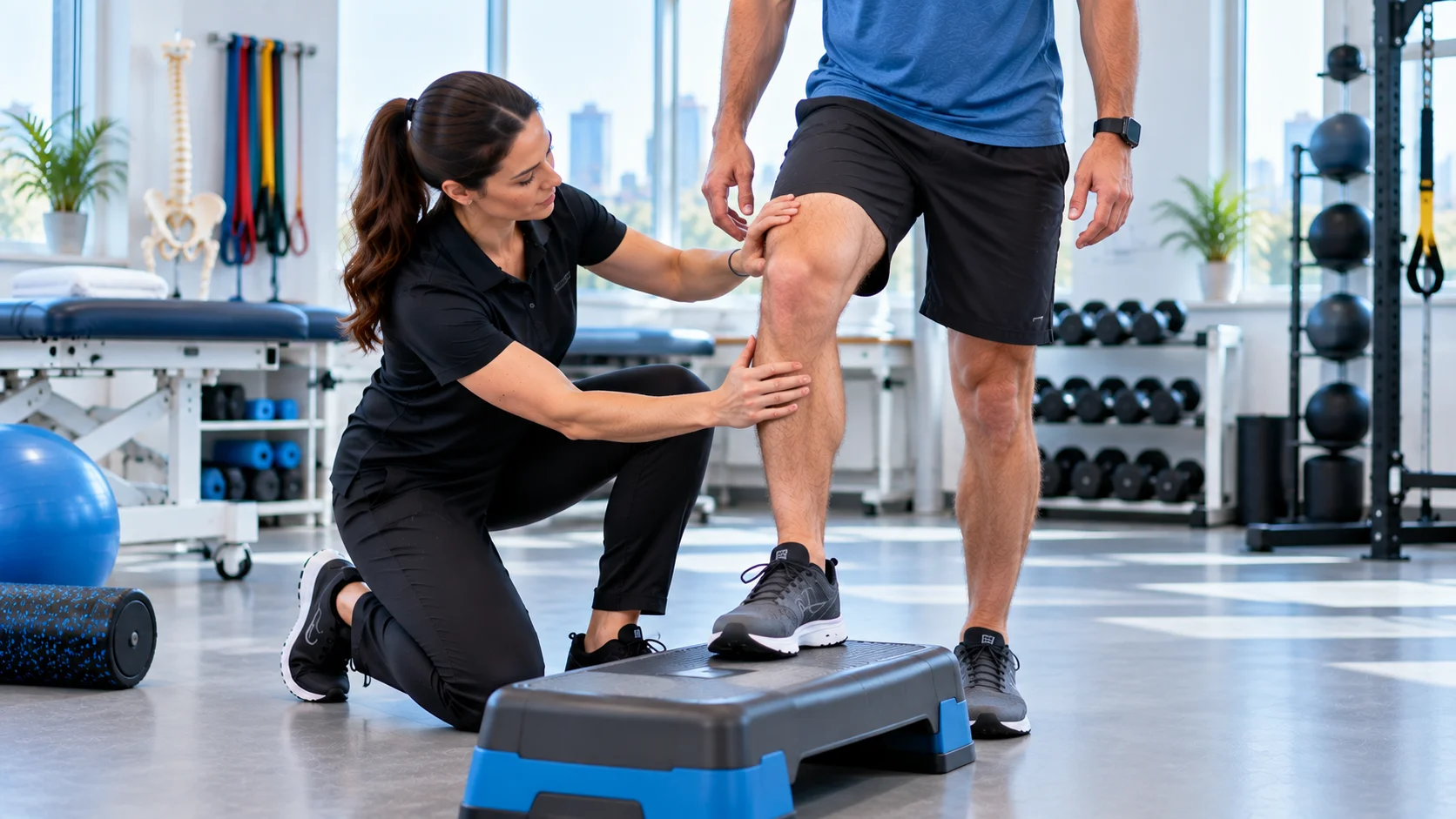
What Are Common Causes Of Knee Pain?
Knee pain can come from injury, overuse, weakness, stiffness, swelling, poor walking patterns, or pressure from the hip, ankle, or foot. We look at how your whole leg moves, not just the knee joint.
Knee Joint Strain – Strain may happen after twisting, lifting, running, jumping, or sudden changes in direction.
Knee Swelling – Swelling may limit bending, walking, climbing stairs, and muscle control around the knee.
ACL Injuries – ACL rehab physiotherapy may help after ligament injury or surgery by rebuilding strength, stability, and confidence.
Knee Arthritis – Physiotherapy for knee arthritis may help reduce stiffness, improve strength, and support daily movement.
Patellofemoral Pain – Pain around the kneecap may show up with stairs, squats, running, or long sitting.
Meniscus Irritation – Twisting injuries may cause catching, swelling, stiffness, or pain with deep bending.
Gait Problems – Walking changes may increase stress on the knee, hip, ankle, or foot.
When Should I Start Knee Physiotherapy?
You may want knee physiotherapy when pain affects walking, stairs, sleep, work, sport, or regular movement. You do not have to wait until symptoms become severe.
Pain That Keeps Coming Back – Repeated flare-ups may mean the knee needs strength, mobility, or movement retraining.
Trouble With Stairs – Pain while going up or down stairs may point to weakness, kneecap irritation, arthritis, or poor control.
Loss of Strength – Weakness in the thigh, hip, or calf can make the knee feel unstable.
Reduced Range of Motion – Difficulty bending or straightening the knee can affect walking and daily tasks.
Pain After Injury – Knee injury physiotherapy may help after falls, sports injuries, twisting events, or workplace strain.
Instability or Giving Way – If the knee feels like it may buckle, careful assessment and strengthening are important.
How Do We Treat Knee Pain At Easthills Physiotherapy?
Movement Assessment
We look at how your knee, hip, ankle, foot, and pelvis work together during walking, bending, squatting, stairs, and single-leg movements.
Manual Therapy
Hands-on care may include joint mobilization, range of motion support, soft tissue work, and deep tissue techniques to help improve comfort and mobility.
Exercise Prescription
We provide knee pain exercises that may focus on strength, flexibility, balance, control, and safer movement between visits.
Gait and Balance Retraining
We review walking patterns and balance when knee pain affects stability, confidence, or how weight moves through the leg.
Pain And Swelling Support
Care may include activity changes, taping, bracing, electrotherapy, hands-on treatment, and home advice to help calm irritation.
Return-To-Activity Planning
We help you build back toward walking, work tasks, running, gym training, sports, and stairs in a steady, manageable way.
How To Relieve Knee Pain When Climbing Stairs?
Many people search “how to relieve knee pain when climbing stairs” because stair pain can quickly interfere with daily life. Going up stairs requires strength, while going down often places extra pressure on the kneecap, thigh muscles, and knee joint control.
At Easthills Physiotherapy, we look at why stairs are painful. The issue may involve weak quadriceps, poor hip control, knee swelling, tight calves, foot position, arthritis-related stiffness, or irritation around the kneecap.
Improve Thigh Strength
Stronger quadriceps can help control the knee while stepping up, stepping down, and lowering body weight.
Build Hip and Glute Strength
Better hip control may reduce inward knee movement, twisting, and added strain during stairs.
Practice Step Mechanics
We may retrain how you place your foot, shift weight, bend the knee, and control the leg during each step.
Reduce Swelling First
A swollen knee may not bend, straighten, or activate muscles properly, so swelling control may be part of early care.
Modify Activity Temporarily
Short-term changes, such as using a railing or taking one step at a time, may reduce irritation while strength improves.
Use Support When Needed
Bracing, taping, or footwear advice may help support the knee while symptoms settle.
What Exercises Help Knee Pain?
Knee pain exercises should match your condition, pain level, strength, and stage of recovery. Some people need gentle movement to reduce stiffness, while others need strengthening, balance work, or sport-specific control.
We choose exercises based on how your knee responds. For example, knee arthritis may need mobility and strength support, ACL rehab physiotherapy may focus on control and stability, and knee injury physiotherapy may begin with swelling management before progressing to load-bearing exercises.
Range of Motion Exercises
Gentle bending and straightening may help reduce stiffness and improve day-to-day movement.
Glute Strengthening
These exercises support the front of the knee and may help with stairs, squats, walking, and standing.
Hip and Glute Strengthening
Stronger hips can improve knee alignment and reduce extra stress through the joint.
Balance Exercises
Balance work may help restore stability after injury, surgery, weakness, or repeated knee flare-ups.
Calf and Hamstring Strengthening
These muscles support walking, running, stair control, and overall knee function.
Functional Training
We may practice squats, lunges, step-downs, lifting, walking, pivoting, or sport-related movements.
At-Home Knee Therapy
Your home plan may include simple exercises, pacing tips, swelling control, ice or heat guidance, and safe movement strategies.
What Treatments May Help Knee Pain Relief?
Knee pain treatment in Calgary may include different care options depending on your symptoms, comfort level, activity goals, and how your knee responds to movement. We may combine hands-on care, exercise, education, and clinic-based therapies to support knee pain relief and better function.
Manual Therapy – Hands-on care may help improve knee movement, reduce stiffness, ease soft tissue tension, and support comfort during activity.
Dry Needling – Dry needling may help reduce muscle tension and trigger point pain around the thigh, hip, calf, or nearby areas that affect knee movement.
Acupuncture – Acupuncture may be used for painful conditions, stiffness, and muscle-related discomfort when appropriate for your care plan.
Graston Technique – Instrument-assisted soft tissue work may help address fascial restrictions, scar tissue, and chronic soft tissue irritation.
Electrotherapy – Electrotherapy may be used when pain control, swelling support, or muscle irritation care is needed.
Splints and Braces – Bracing may help support the knee during recovery, work, stairs, walking, or return to activity.
Spinal Manipulation – When suitable, spinal or joint techniques may be considered if back, hip, or pelvic stiffness is affecting lower body movement.
Massage Therapy – Massage may help reduce soft tissue tension in the thigh, calf, hip, or surrounding muscles that place stress on the knee.
Is Knee Pain Treatment Covered By Insurance?
East Hills Physiotherapy bills directly to insurance partners. Coverage depends on your plan, claim type, provider requirements, and available benefits.
Private Insurance – Many plans include physiotherapy coverage.
Direct Billing – We bill directly to participating insurance partners where available.
Motor Vehicle Accident Claims – Knee pain treatment may be covered when related to an approved accident claim.
Workplace Injury Claims – Work-related knee care may be covered when approved through the proper claim process.
Billing Support – Our team can help explain available options before your appointment.
Book Knee Pain Care In Calgary
Knee pain can limit walking, stairs, work, exercise, and the activities you enjoy. For Knee Pain Physiotherapy in Calgary, Easthills Physiotherapy offers knee pain exercises, gait retraining, manual therapy, dry needling, acupuncture, bracing support, and at-home knee therapy guidance.
If you are searching for Knee Pain Physiotherapy near me, contact East Hills Physiotherapy today to book your appointment.
Frequently Asked Questions Knee Pain Physiotherapy Calgary
General Questions About Knee Pain Physiotherapy
Keeping the knee bent for long periods can increase pressure around the kneecap and contribute to stiffness. Gentle movement, posture changes, and knee physiotherapy may help reduce discomfort and restore mobility.
Yes. Recurring pain may be linked to weakness, movement habits, or repeated knee joint strain. Knee pain physiotherapy in Calgary can address these factors before symptoms become more persistent.
Possible causes of knee pain include overuse, arthritis, muscle weakness, poor walking posture, and gradual joint irritation. A physiotherapy assessment can identify movement limitations contributing to the problem.
Yes. Knee physiotherapy improves strength, balance, and movement control, helping people feel more secure while walking, turning, using stairs, or standing from a chair.
Morning stiffness may occur because the knee has remained still for several hours. Gentle knee pain exercises and gradual movement can help improve circulation and joint mobility.
Yes. Knee pain treatment in Calgary may address kneecap tracking, thigh strength, hip control, and activity habits that place excess pressure on the front of the knee.
Instability can occur when the muscles supporting the knee are weak or poorly coordinated. Knee physiotherapy can improve strength and control even when visible knee swelling is absent.
Yes. Weak hip muscles can affect leg alignment and increase stress on the knee. Strengthening the hips is often included in knee injury physiotherapy to improve movement control.
Poor walking posture can shift pressure unevenly through the hips, knees, and ankles. Gait training helps improve alignment and reduce unnecessary knee joint strain.
Searching for “knee pain physiotherapy near me” is appropriate when pain keeps returning, limits walking, or makes stairs difficult. Early care at East Hills Physiotherapy may help prevent further loss of function.
Arthritis, Stairs, and Everyday Mobility
Physiotherapy for knee arthritis uses strengthening, mobility work, and gait training to reduce stiffness and improve walking tolerance. It can also help manage daily flare-ups more effectively.
Improving thigh and hip strength, changing stair technique, and pacing activity can help. Knee pain treatment in Calgary may also address mobility restrictions that increase stair-related discomfort.
Descending stairs requires the thigh muscles to control body weight slowly, placing greater demand on the knee. Weakness or kneecap irritation can make this movement painful.
Yes. Exercises targeting the thighs, hips, and calves improve the strength needed to rise from a chair. Functional practice also helps improve balance and confidence.
Gentle movement, mobility exercises, and strengthening can reduce morning stiffness and improve joint function. Your program may also include pacing and activity guidance.
Yes. At-home knee therapy can improve strength, balance, and movement tolerance for tasks such as cooking, cleaning, and using stairs. Exercises should be matched to your symptoms.
Uneven surfaces require more balance and joint control. Weakness, ankle stiffness, or gait problems may increase stress on the knee during these activities.
Yes. Uneven step length, foot position, or weight shifting can overload one knee more than the other. Gait training can help correct these patterns.
Knee physiotherapy combines strength, coordination, and single-leg balance exercises. These skills help the body control direction changes more safely.
Yes. Treatment can improve strength, mobility, balance, and walking posture. The program is adapted to each person’s comfort, ability, and daily goals.
Knee Injuries, Ligaments, and Joint Symptoms
Yes. Even a minor twist can cause stiffness, swelling, or muscle guarding. Knee injury physiotherapy can restore movement and strength while supporting a safe return to normal activity.
Buckling may be related to weakness, poor balance, pain inhibition, or reduced joint control. Physiotherapy uses strengthening and balance exercises to improve stability.
Yes. ACL rehab physiotherapy focuses on strength, balance, landing control, and gradual running progression. Functional testing helps determine when the knee is ready for higher-impact activity.
Knee swelling may return when activity exceeds the joint’s current tolerance. Your physiotherapist can adjust exercises and activity levels to support recovery without repeated flare-ups.
Physiotherapy may help when locking is caused by stiffness or movement restrictions. True mechanical locking, especially after an injury, should also be medically assessed
Clicking can occur from tendon movement, kneecap tracking, or joint changes. If clicking is painful or accompanied by swelling, knee physiotherapy can assess the contributing factors.
Many meniscus-related symptoms can improve with progressive strengthening, mobility work, and activity modification. The treatment plan depends on the injury and how the knee responds.
Physiotherapy improves hip strength, knee alignment, ankle mobility, and squat technique. These changes help distribute force more evenly and reduce knee joint strain.
Yes. Pain behind the knee may involve tight muscles, tendon irritation, joint stiffness, or swelling. A physiotherapist can assess the area and recommend suitable treatment.
Swelling can temporarily reduce muscle activation, especially in the quadriceps. Knee pain exercises help rebuild strength and restore confidence after swelling improves.
Treatment Process, Exercises, and Recovery
Your physiotherapist reviews symptoms, walking posture, strength, balance, and knee mobility. The findings are used to create a personalized knee pain treatment plan.
Exercises are selected based on the location of pain, movement limitations, strength, and functional goals. The program is adjusted as your knee improves.
Yes. Exercises can be reduced, modified, or replaced if they trigger knee swelling. Contact East Hills Physiotherapy if symptoms continue or increase.
Frequency depends on the exercise and your recovery stage. Your physiotherapist will provide clear instructions so you can progress without overloading the knee.
Yes. Hip and ankle function strongly influence knee alignment and movement. Strengthening these areas can improve overall lower-limb control.
Progress may be measured through pain levels, range of motion, strength, balance, walking ability, and stair tolerance. Regular reassessments guide treatment changes.
Running can resume when strength, movement control, and impact tolerance have improved. A gradual return plan reduces the risk of reinjury.
Yes. Gentle mobility exercises, movement practice, and hands-on techniques can improve range without forcing the joint into painful positions.
Single-leg balance improves joint control needed for walking, stairs, running, and sports. It also helps identify side-to-side weakness.
The timeline depends on pain, weakness, and how established the gait problem is. Consistent practice and strengthening usually produce gradual improvement.
Insurance, Prevention, and Long-Term Support
Yes. East Hills Physiotherapy bills directly to its insurance partners whenever your plan allows. The clinic team can help confirm coverage before treatment.
Many extended health plans cover physiotherapy services, including ACL rehab physiotherapy. Coverage limits and referral requirements depend on your policy.
A referral is usually not required to begin knee physiotherapy. However, some insurance providers may request one for reimbursement.
Yes. Strengthening, mobility work, gait correction, and activity education help reduce recurring knee pain issues and improve long-term joint function.
Changing positions regularly, using proper lifting technique, wearing supportive footwear, and avoiding prolonged kneeling can reduce knee joint strain during work.
Supportive footwear can improve shock absorption and foot alignment, which may reduce stress on the knee. A gait assessment can determine whether footwear contributes to symptoms.
Yes. Continuing selected exercises helps maintain strength, balance, and mobility. Your physiotherapist can recommend a long-term maintenance routine.
Yes. Improving strength, warm-up habits, landing control, and activity progression can reduce repeated irritation and swelling after sports.
East Hills Physiotherapy provides progressive knee pain exercises, gait training, education, and reassessment. Care is adjusted to support daily activity, work, and recreation.
Patients receive individualized knee pain physiotherapy in Calgary for arthritis, ACL recovery, gait problems, and knee injuries. Direct billing to insurance partners also helps make treatment more convenient.
Reviews
When I first walked in my pain level was at a 9. A few weeks before I was walking with a walking stick as I couldn’t put any weight on my leg knee. After 2 months I am now at a level 3 and rode a bike today. Thank you so much thank you 🙏 for all you have done great technique and hands on knowledge of what muscle was injured.
I came here for physio for my knee and Suchi and Saloni were very helpful! After 2 sessions and on my own time doing the stretches, my knee was feeling a lot better! The massaging and cupping really helped lots! Very nice people and recommend it here!
I can’t say enough good things about my experience with Aanchal! They worked wonders on my back and knee, showing incredible skill, care, and professionalism every step of the way. From the moment I walked in, they took the time to listen to my concerns, thoroughly assess my condition, and explain everything in a way that was easy to understand. Their hands-on approach was spot-on—targeting the root of my pain with techniques that brought real relief, not just quick fixes. They also gave me practical exercises and advice to keep improving at home, which has made a huge difference. I’m moving better, sleeping better, and feeling stronger thanks to them. If you need a physiotherapist who genuinely cares and delivers results, Aanchal is the one to see—hands down the best!