

- Home
- Pre and Post-Surgical Rehabilitation Calgary
Pre and Post-Surgical Rehabilitation Calgary
Prehabilitation and Recovery Support for Surgery
Book Your Appointment
Pre and Post-Surgical Rehabilitation Calgary: Rebuilding Strength and Movement
Pre and post-surgical rehabilitation Calgary at East Hills Physiotherapy supports patients before and after surgery with personalized physiotherapy care. Patients may benefit from physical therapy before and after joint replacement procedures to build strength, improve mobility, manage pain, and support recovery. Our physiotherapists help you work toward a safe return to your normal level of activity across Southeast and Northeast Calgary.
- Are you preparing for an upcoming surgery and want to recover as quickly and fully as possible?
- Have you recently had a joint replacement, spine, or orthopedic surgery and are struggling to regain strength and movement?
- Is pain, stiffness, or weakness after surgery making it harder to return to your normal routine?
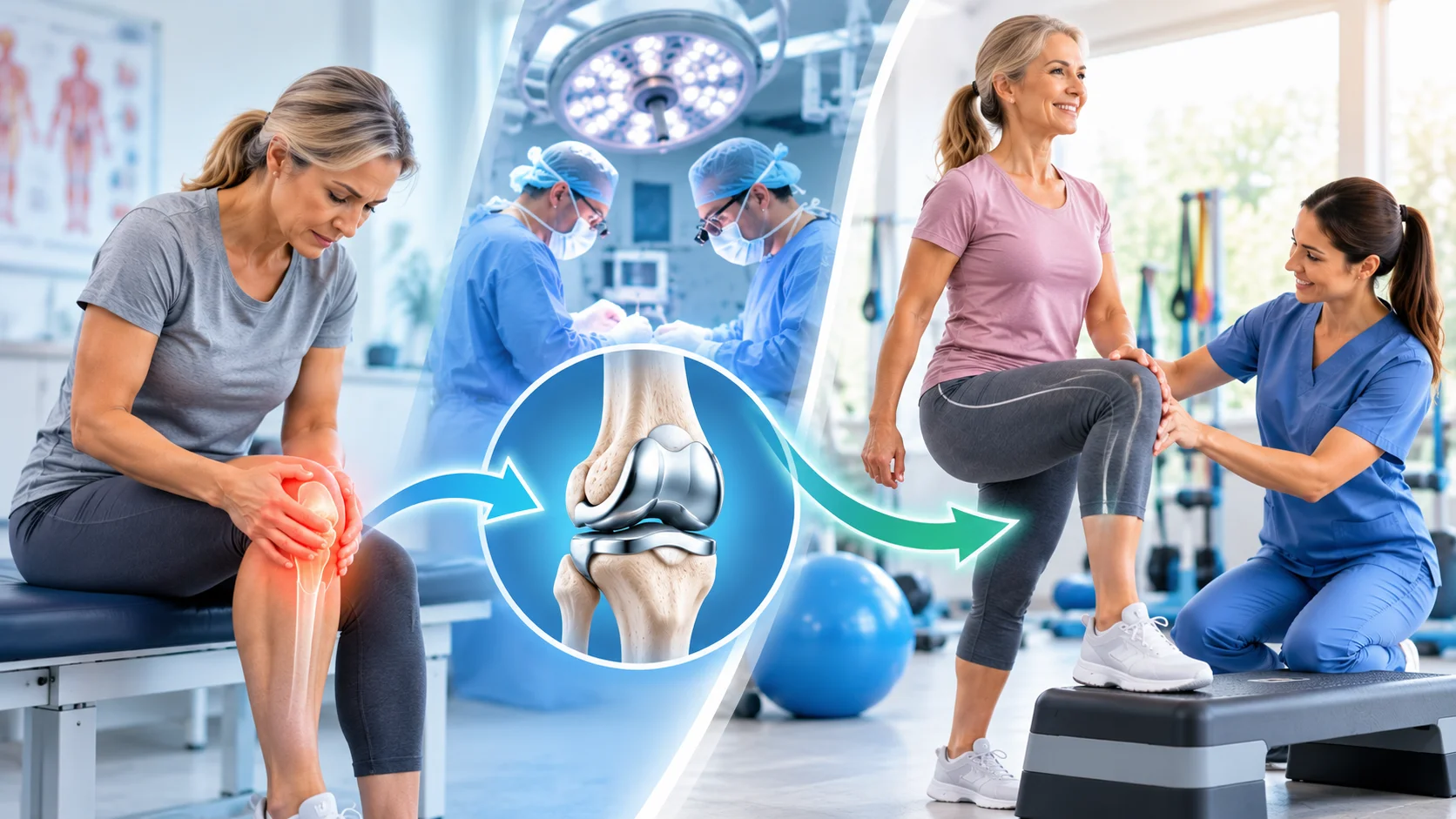
What Is Pre and Post-Surgical Rehabilitation?
Pre and post-surgical rehabilitation is physiotherapy care provided both before and after a surgical procedure to support a smoother, more complete recovery.
- Prehabilitation, or care before surgery, focuses on building strength, mobility, and confidence ahead of your procedure
- Post-surgical rehabilitation focuses on restoring movement, reducing pain, and rebuilding strength once you are cleared for physiotherapy
- Your program is based on your surgery type, health history, activity goals, and the surgeon’s guidelines
- Treatment may include hands-on therapy, therapeutic exercise, education, and a personalized home exercise program
Why Prehabilitation Before Surgery Matters
Preparing your body before surgery can make a meaningful difference in how you recover afterward.
- Stronger muscles and better joint mobility going into surgery often support a smoother recovery process
- Prehabilitation helps you understand what to expect after your procedure, which can ease anxiety around the unknown
- Building strength beforehand gives your body a stronger starting point once you begin post-surgical exercises
- Your physiotherapist can identify movement limitations or muscle weakness early, addressing them before they complicate your recovery
- Learning proper movement patterns, such as safe transfers or walking with assistive devices, before surgery makes the early post-operative period more manageable
Surgeries and Conditions We Support
Joint Replacement Surgery
Hip and knee replacement surgeries often benefit most from a structured rehabilitation program. Before surgery, we concentrate on strengthening the muscles around the joint and improving mobility. After surgery, care progresses from gentle movement and swelling management toward walking, stair climbing, and a return to daily activities.
Shoulder Surgery
Rotator cuff repairs, shoulder replacements, and other shoulder procedures often require careful, staged rehabilitation to protect healing tissue while restoring range of motion, strength, and function for reaching, lifting, and overhead movement.
Spinal Surgery
Following procedures such as disc surgery or spinal fusion, physiotherapy supports safe movement, core stability, posture, and a gradual return to bending, lifting, and daily activity within the limits set by your surgeon.
ACL and Ligament Reconstruction
Ligament reconstruction in the knee requires a structured rehabilitation timeline to protect the healing graft while restoring strength, balance, and confidence for a return to sport or physical activity.
Foot and Ankle Surgery
Procedures involving the foot or ankle often affect walking, balance, and weight-bearing tolerance. Rehabilitation supports a safe progression from limited weight-bearing to full walking and activity.
Hand, Wrist, and Elbow Surgery
Surgical repairs in the hand, wrist, or elbow may affect grip strength, fine motor control, and daily function. Physiotherapy supports tissue healing, mobility, and a return to work and daily tasks.
General Orthopedic and Soft Tissue Surgery
Other orthopedic procedures, including tendon repairs and soft tissue surgeries, benefit from a personalized rehabilitation plan that respects healing timelines while restoring movement and strength.
What Happens Before Your Surgery: Prehabilitation
Initial Assessment
Your physiotherapist reviews your surgery date, procedure type, current symptoms, strength, mobility, and daily activity level to build a plan that prepares your body for what lies ahead.
Strengthening and Mobility Work
Targeted exercises help build strength around the area being operated on, along with supporting muscle groups, so your body is well prepared heading into surgery.
Education About Your Procedure and Recovery
You will receive guidance about what to expect after surgery, including movement precautions, expected milestones, and how physiotherapy fits into your overall recovery timeline.
Practicing Post-Operative Movements
Learning safe transfers, walking with assistive devices, or navigating stairs before surgery can make those same movements feel more familiar and manageable in the days following your procedure.
What Happens After Your Surgery: Post-Surgical Rehabilitation
Early Recovery and Pain Management
In the initial stage after surgery, treatment focuses on managing pain and swelling, protecting the healing area, and introducing gentle, guided movement within the limits set by your surgeon.
Restoring Range of Motion
As healing progresses, treatment shifts toward gradually restoring movement in the affected joint or area, using hands-on techniques and guided stretching appropriate to your healing stage.
Rebuilding Strength
Once your surgeon confirms it is appropriate, strengthening exercises are introduced and progressed to rebuild the muscle support around the surgical site.
Functional and Activity-Specific Training
Later stages of rehabilitation focus on the specific movements you need for daily life, work, or sport, such as walking, climbing stairs, lifting, or returning to recreational activities.
Ongoing Reassessment
Your physiotherapist reassesses your progress regularly, adjusting your program as your strength, mobility, and confidence improve throughout your recovery.
Treatment Techniques Used in Pre and Post-Surgical Rehabilitation
Manual Therapy
Hands-on joint mobilization and soft tissue work help reduce stiffness, manage swelling, and support tissue healing around the surgical area.
Therapeutic Exercise
A progressive exercise program builds strength, mobility, and endurance appropriate to your stage of recovery, adjusting as your body responds.
Scar Tissue Management
Once your incision has healed sufficiently, gentle scar mobilization techniques may help reduce tightness and support more comfortable movement around the surgical site.
Gait and Balance Retraining
For surgeries affecting the hip, knee, ankle, or foot, gait and balance retraining helps you walk safely and confidently as you progress from assistive devices back to independent walking.
Graston Technique
For soft tissue restrictions or scar tissue that develops during healing, instrument-assisted treatment may support tissue mobility once appropriate for your recovery stage.
Electrotherapy and Supportive Modalities
Electrical stimulation and other supportive modalities may be used to manage pain, reduce swelling, and support muscle activation in the starting stages of recovery.
Education and Home Exercise Programs
You will receive clear guidance on movement precautions, activity pacing, and a personalized home exercise program to support your progress between visits.
What to Expect at Each Stage of Recovery
- Early days after surgery focus on protecting the healing area and managing discomfort, with movement kept gentle and closely guided
- As swelling and pain settle, your physiotherapist begins working on regaining mobility in the affected area
- Strength work is introduced gradually, following the timeline set by your surgeon and your body’s response to treatment
- Functional training connects your recovery to real daily tasks, such as getting in and out of a car, climbing stairs, or returning to work duties
- Your program is adjusted continually based on your healing, comfort, and progress toward your goals
Is Pre and Post-Surgical Rehabilitation Covered by Insurance?
Pre and post-surgical rehabilitation is provided as part of physiotherapy care at East Hills Physiotherapy and may be covered through:
- Extended health benefits, subject to your annual maximum and per-visit allowance
- Approved Workers’ Compensation Board (WCB) Alberta claims, when the surgery relates to a workplace injury
- Eligible motor vehicle accident coverage, when the surgery relates to an accident-related injury
- Direct billing with participating insurance providers, reducing the need to submit receipts yourself
- A physician’s referral is usually not required to book physiotherapy, though some insurers may request one for reimbursement, and many surgeons recommend physiotherapy as part of your recovery plan
Why Choose East Hills Physiotherapy
Personalized Care
Your program is built around your specific surgery, surgeon’s guidelines, health history, and recovery goals rather than a generic timeline.
Coordinated Support
Our Easthills physiotherapists work closely with your healthcare team to ensure your rehabilitation aligns with your surgical recovery plan.
Comprehensive Treatment Options
Care may combine manual therapy, therapeutic exercise, scar tissue management, gait retraining, and supportive modalities depending on your needs.
Support at Every Stage
From prehabilitation before your surgery date to the final stages of returning to activity, your plan evolves with your recovery.
Direct Insurance Support
Direct billing may be available for eligible extended health, WCB Alberta, and motor vehicle accident claims.
Prepare Well and Recover With a Clear Plan
Surgery can affect mobility, strength, confidence, work, exercise, and independence, but you do not have to navigate recovery without guidance. Our pre and post-surgical rehabilitation Calgary helps you prepare before a procedure and progress through recovery afterward. Your plan may include mobility exercises, strengthening, gait training, balance work, scar support, manual therapy, and practical home strategies.
Contact our East Hills Physiotherapy clinic to book an assessment and begin a structured rehabilitation plan focused on safer movement, steady progress, and a gradual return to the activities that matter to you.
Meet Our Surgical Rehabilitation Team

Ramesh Bimagani
PT and Clinic Director
Ramesh has practised physiotherapy since 2000 and supports people with musculoskeletal injuries, neurological conditions, sports injuries, spinal concerns, and movement restrictions. His care may include manual therapy, spinal manipulation, myofascial release, acupuncture, exercise planning, gait support, and custom orthotics.

Harmandeep Singh
Physiotherapist
Harmandeep works with spine, hip, knee, shoulder, orthopedic, sports-related, and movement concerns. His approach may include functional assessment, manual therapy, strengthening, taping, gait practice, myofascial release, and patient education.

Suchi Gidwani
Physiotherapist
Suchi brings more than 13 years of physiotherapy experience and supports people recovering from musculoskeletal injuries and movement limitations. Her care may include manual therapy, therapeutic exercise, dry needling, mobility work, and functional rehabilitation.

Aanchal Badhwar
Physiotherapist
Aanchal supports people with core weakness, pelvic health concerns, jaw discomfort, muscle tension, and movement limitations. Her care may include manual therapy, breathing, core strengthening, mobility exercises, dry needling, and progressive functional movement.
Frequently Asked Questions
Understanding Surgical Rehabilitation
Pre and post-surgical rehabilitation is physiotherapy provided before and after surgery. It helps prepare your body, restore mobility, rebuild strength, improve balance, and support a gradual return to daily activities.
Pre-surgical physiotherapy prepares you for surgery by improving strength, movement, balance, and confidence. It may also teach exercises, walking-aid use, and practical strategies for managing daily activities after your procedure.
Post-surgical physiotherapy supports recovery after surgery by addressing stiffness, swelling, weakness, reduced movement, and altered walking. Care follows your surgeon’s guidance and progresses according to healing, comfort, function, and goals.
People often search for nearby surgical rehabilitation when they need help preparing for surgery, recovering movement, rebuilding strength, using walking aids, managing stiffness, or returning to work and daily activities.
No. Surgical rehabilitation may support recovery after joint, spine, shoulder, knee, hip, ankle, foot, hand, wrist, abdominal, pelvic, and soft-tissue procedures, depending on medical guidance, individual needs, and goals.
Active people may still benefit from pre-surgical physiotherapy. Care can identify movement limits, build strength around the affected area, review precautions, and prepare you for exercises or walking aids afterward.
Recovery After Surgery
The starting time depends on the procedure, healing stage, and surgeon’s instructions. Some people begin gentle movement soon afterward, while others must wait before loading, stretching, or strengthening the area safely.
Early care may focus on swelling, safe movement, circulation, gentle muscle activation, transfers, walking aids, and home exercises. Treatment remains within your surgeon’s precautions, current comfort level, and tolerance.
Physiotherapy may address stiffness through controlled mobility exercises, gentle hands-on care, positioning, and gradual activity. Treatment follows surgical precautions and progresses according to tissue healing, symptoms, and movement tolerance carefully.
Physiotherapy may support swelling management through movement, positioning, muscle activation, walking, and circulation exercises. Your care remains aligned with medical instructions, wound healing, and any weight-bearing restrictions during early recovery.
Strengthening usually begins with gentle muscle activation and progresses toward resistance exercises, standing tasks, stairs, lifting, and activity-based movement. Progress depends on healing, symptoms, precautions, and functional goals over time.
Post-surgical physiotherapy may improve walking by addressing strength, balance, joint movement, foot placement, weight shifting, and confidence. Gait retraining also helps you reduce limping and use walking aids safely during recovery.
Yes. Rehabilitation after hip or knee replacement may address swelling, joint movement, leg strength, transfers, stairs, balance, walking, and a gradual return to household and community activities with greater confidence.
Assessment and Treatment Options
Bring your surgical instructions, rehabilitation protocol, referral documents, medication list, imaging reports, and information about braces or weight-bearing restrictions. Wear comfortable clothing that allows the affected area to move easily.
Your physiotherapist may assess range of motion, swelling, strength, walking, balance, posture, scar condition, transfers, and functional movement. The assessment is adjusted to your procedure, precautions, comfort, and tolerance.
Manual therapy may be used when appropriate to support joint mobility, soft-tissue movement, and reduced guarding. Techniques remain within surgical precautions and are adjusted according to healing, comfort, and symptoms.
Once the incision has healed sufficiently, gentle scar and soft-tissue care may support mobility and reduce sensitivity. Treatment timing depends on wound healing, medical guidance, tissue condition, and comfort level.
Acupuncture or dry needling may be considered at a suitable recovery stage for pain or muscle tension. These services are not used over unhealed tissue and require assessment before treatment.
Braces, splints, walking aids, or orthotics may support protection, alignment, comfort, or mobility after surgery. Recommendations depend on your procedure, medical instructions, movement needs, recovery stage, and personal goals.
Yes. Your home program may include mobility, muscle activation, strengthening, balance, walking, or posture exercises. We explain frequency, technique, precautions, and how to adjust activities when symptoms change during recovery.
Safety and Daily Activities
Report fever, increasing redness, drainage, sudden calf swelling, chest pain, breathing difficulty, new weakness, spreading numbness, severe pain changes, or a fall affecting the surgical area promptly to your medical team.
Follow your surgeon’s instructions before starting or progressing exercise. Doing too much too soon may irritate healing tissues, while too little movement may contribute to stiffness and weakness during recovery.
Yes. Stair training may include leg strength, balance, step control, pacing, rail use, and walking-aid practice. Techniques are adjusted to your procedure, weight-bearing status, home setup, safety, and confidence.
Gait retraining may help reduce limping by improving joint movement, strength, foot placement, weight shifting, and confidence. Progress depends on healing, pain, precautions, and your ability to load the area.
Balance training may support steadier standing, turning, stairs, and walking after surgery. Exercises can improve leg strength, coordination, reactions, and confidence while respecting your current precautions, ability, and tolerance.
Follow your home exercises, respect precautions, pace activity, use walking aids correctly, and monitor symptoms. Sleep, nutrition, hydration, medication routines, and regular gentle movement may also support recovery between clinic visits.
Preparing for Surgery
Timing depends on your procedure, symptoms, and surgical date. Starting several weeks beforehand may allow time to improve strength, practise exercises, review precautions, and prepare for mobility needs after surgery.
Your physiotherapist reviews your symptoms, current mobility, strength, balance, daily activities, surgical instructions, and recovery goals. You may also practise exercises, transfers, stairs, or walking with an aid when appropriate.
Yes. Physiotherapy can help you practise using crutches, a cane, or a walker safely. Training may include standing, turning, stairs, transfers, and walking while following temporary weight-bearing restrictions after your procedure.
Prehabilitation may help you enter surgery with better strength, movement awareness, and confidence. It can also make early exercises, transfers, walking, and home routines feel more familiar during recovery afterward.
Exercises may include joint mobility, muscle activation, core work, leg or arm strengthening, balance practice, breathing, and walking. Your program depends on the procedure, symptoms, current ability, and goals.
Physiotherapy can help you plan safer movement at home, including stairs, bed transfers, bathroom routines, chair height, walking-aid use, and activity pacing during the early recovery period after your procedure.
Procedures Supported With Physiotherapy
Physiotherapy may support knee movement, swelling management, quadriceps control, balance, walking, strength, and return to activity after ACL or meniscus surgery. Progress follows surgical precautions and tissue healing over time.
Shoulder rehabilitation may include protected movement, posture, shoulder-blade control, gradual strengthening, and functional reaching. Exercise timing and resistance follow your surgeon’s restrictions to protect healing tissues during recovery at each stage.
After neck or lower-back surgery, physiotherapy may support walking, posture, mobility, core control, endurance, lifting habits, and return to daily activity while following medical precautions and recovery timelines set by surgeons.
Care may include swelling management, ankle mobility, calf and foot strengthening, balance work, gait retraining, and support while transitioning from a boot, brace, crutches, or another walking aid during recovery.
Rehabilitation may address swelling, joint movement, grip, scar comfort, strength, and functional arm use. Exercises can support dressing, typing, carrying, gripping, lifting, and other everyday tasks gradually as healing progresses.
When appropriate, physiotherapy may support breathing, posture, scar mobility, core control, pelvic floor coordination, walking, lifting, and gradual return to exercise after abdominal or pelvic procedures once medical clearance is provided.
Following fracture repair, physiotherapy may support joint movement, strength, balance, walking, and gradual loading after clearance. Your program depends on bone healing, surgical instructions, pain, current function, and goals.
Recovery Time and Returning to Activity
Recovery time varies by procedure, healing, age, health, symptoms, activity demands, and goals. Some people need several weeks of care, while others require longer rehabilitation for complex procedures or complications.
Visit frequency depends on the procedure, recovery stage, surgeon’s instructions, symptoms, and home exercise needs. Your physiotherapist reviews progress and adjusts appointment spacing as mobility and independence improve over time.
Mild, temporary soreness may occur after movement or strengthening as your body adapts. Sharp, severe, spreading, or worsening symptoms should be reported promptly so your physiotherapist can modify treatment safely.
Return-to-work timing depends on your procedure, healing, job demands, pain, strength, mobility, and medical guidance. Physiotherapy may help prepare you for sitting, standing, lifting, walking, and repeated tasks at work.
Driving depends on your procedure, medication, movement, reaction time, strength, and ability to control the vehicle safely. Follow your surgeon’s guidance and any licensing or insurance requirements before returning to driving.
Physiotherapy may prepare you for exercise or sport through mobility, strength, balance, endurance, and activity-specific training. Return is gradual and guided carefully by healing, symptoms, movement quality, and medical precautions.
Insurance, Booking, and East Hills Physiotherapy
Many extended health plans may cover surgical rehabilitation when provided as physiotherapy. Annual limits, visit amounts, referral rules, direct billing options, and eligible services vary considerably between individual insurance policies.
A referral is generally not required to book, but your surgeon may provide a protocol or precautions. Some insurance plans also require referral documents before reimbursing your eligible physiotherapy costs.
Direct billing may be available for participating insurance plans, depending on your provider, policy, and clinic arrangements. Bring your insurance details so our administration team can review available billing options.
Have your surgery date, procedure details, surgeon’s instructions, referral or protocol, insurance information, and preferred clinic location ready. Mention any brace, walking aid, weight-bearing restriction, or current mobility concern too.
East Hills Physiotherapy provides personalized rehabilitation based on your procedure, precautions, comfort, mobility, and goals. Care may include exercise, manual therapy, gait training, balance work, scar support, and home guidance.
Reviews
Very professional, attentive and friendly. Always concerned about ways they can help me heal. My experience with Selony my assistant physio therapist and my physio therapist Sugi is truly a pleasant experience. They have helped me so much in my recovery, and their receptionist Shelby is so accommodating and friendly working with my availability for appointments. Thank you
The staff here are so amazing! They are always ready to help and create such a welcoming environment. I went in for a massage and had Janki and she did such a great job. She is very passionate with what she does and i would recommend her to anyone.
I have been seeing Aanchal for my physio sessions since my car accident. Her knowledge and experience helped us through our difficult time. Great team and truly humble!
Highly recommend!! I have been attending physio after my knee surgery with Ramesh to which he has been amazing to help me with my recovery. Always giving me the encouragement with every visit. Duda the physiotherapist assistant absolutely outstanding with her positive attitude and very helpful!! Every visit they both welcome me and always ask my concerns. Magic with healing my pain.
My first time experiencing i was happy, going back again.Thank you to all the team especially to Aanchal.