

Complete Guide to Herniated Disc Treatment
Table of Contents
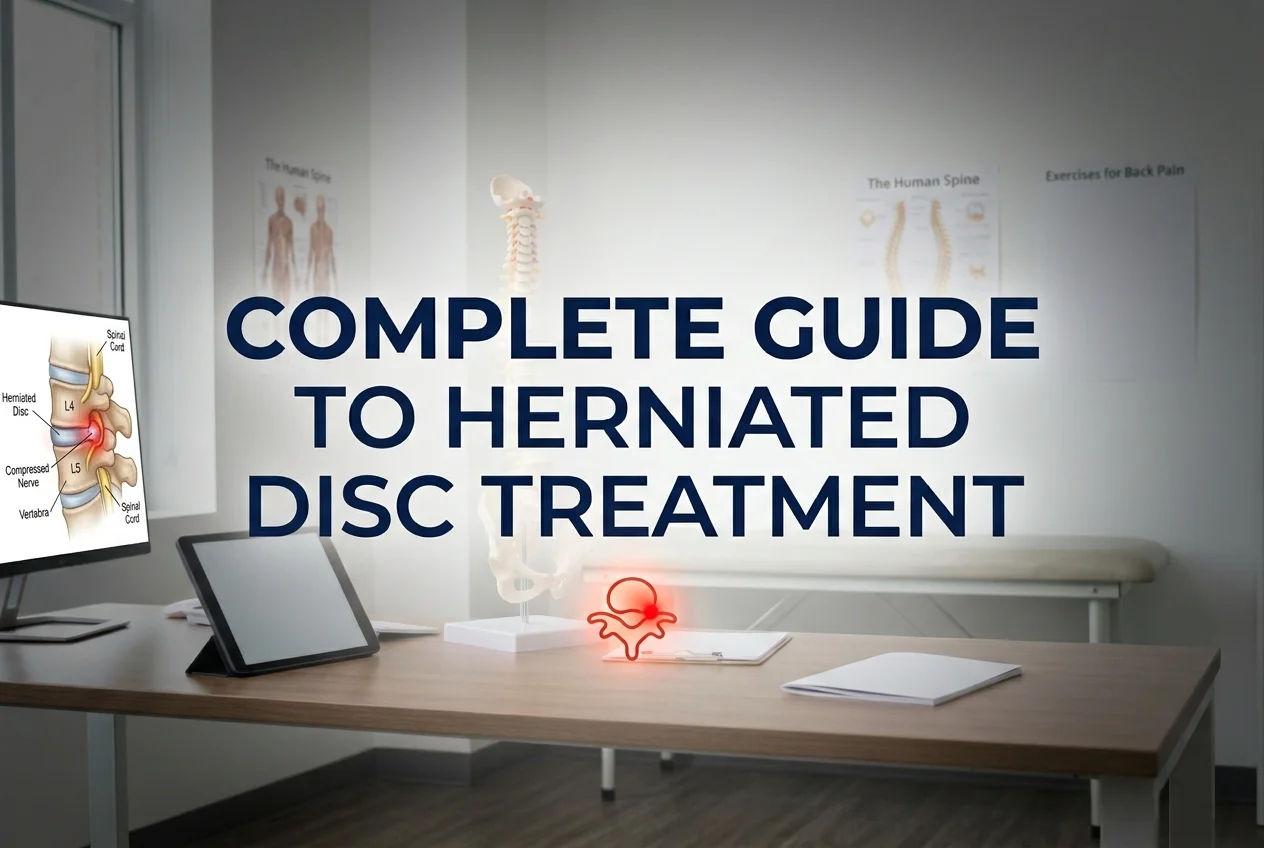
You shouldn’t experience tingling down your leg or severe back pain when bending over to tie your shoes or carry a grocery bag. However, a herniated disc can make everyday movements uncomfortable. Many people improve with conservative care when treatment begins early and follows a structured plan.
Physiotherapy for Herniated Disc in Calgary focuses on improving movement, reducing pressure on affected nerves, and helping you return to daily activities safely. Understanding your condition and the available Herniated Disc Treatment options can assist you in making well-informed choices regarding your recuperation.
What Is a Herniated Disc?
Your spine contains cushioning discs between the vertebrae that absorb shock and support movement. When a disc’s outer layer tears, its inner material can bulge outward, creating a herniated disc. This may irritate nearby nerves, causing pain, numbness, or weakness. Many cases improve with structured Herniated Disc Treatment to restore function and reduce symptoms.
Common Causes of a Herniated Disc
Several factors can contribute to disc injuries, including:
- Age-related disc degeneration
- Repetitive bending or twisting
- Improper lifting techniques
- Sudden heavy lifting
- Sports injuries
- Prolonged sitting
- Excess body weight
Most cases develop gradually rather than from a single incident.
Is surgery necessary for a herniated disc to heal?
Yes. Many herniated discs improve with conservative care, including physiotherapy, activity modification, and guided exercises, although recovery time varies depending on the severity and individual healing response.
Common Symptoms of a Herniated Disc
Symptoms vary depending on which spinal nerve is affected. Some people experience mild discomfort, while others notice symptoms extending into their arms or legs.
Lumbar Herniated Disc
A lumbar herniated disc affects the lower back and often causes:
- Low back pain
- Pain radiating into the buttock or leg
- Numbness or tingling
- Muscle weakness
- Difficulty standing or walking for long periods
Many individuals also require sciatica herniated disc treatment when the sciatic nerve becomes irritated by the injured disc.
Cervical Herniated Disc
A disc injury in the neck may produce:
- Neck stiffness
- Shoulder pain
- Arm numbness
- Tingling in the fingers
- Reduced grip strength
In these situations, physiotherapy for herniated disc in neck focuses on improving mobility while reducing irritation around affected nerves.
Can physiotherapy improve numbness caused by a herniated disc?
If numbness is related to nerve irritation from a herniated disc, physiotherapy may help reduce symptoms by improving movement, reducing pressure on affected tissues, and supporting nerve recovery.
How Physiotherapy Supports Herniated Disc Treatment
Surgery is not necessary to treat the majority of herniated discs. Physiotherapy helps reduce symptoms while improving strength, flexibility, and spinal stability through a personalized Herniated Disc Treatment plan.
Manual Therapy
Hands-on techniques may help reduce joint stiffness, improve spinal mobility, and decrease muscle tension surrounding the injured area.
Therapeutic Exercises
Targeted movement programs gradually improve spinal stability and reduce unnecessary stress on the injured disc.
Postural Education
Poor sitting, standing, and lifting habits can place additional strain on spinal discs. Learning proper body mechanics supports recovery and helps prevent future flare-ups.
Soft Tissue Therapy
Muscles surrounding the spine often become tight and protective after injury. Soft tissue methods ease tense muscles and enhance general mobility.
Activity Modification
Rather than avoiding movement completely, your physiotherapist guides you toward activities that support healing while minimizing unnecessary irritation.
This structured approach makes Physiotherapy for Herniated Disc in Calgary an effective conservative option for many individuals experiencing persistent symptoms.
How can I tell if my leg pain is coming from a herniated disc?
Pain that travels from the lower back into the buttock or leg, especially with numbness or tingling, may indicate nerve irritation caused by a herniated disc.
Physiotherapy Techniques for Different Herniated Disc Conditions
No two herniated discs behave the same way. Treatment is adjusted based on the affected region and your symptoms.
Physiotherapy for Herniated Disc in Lower Back
For physiotherapy for herniated disc in lower back, treatment commonly includes:
Core Stabilization Exercises
Improving abdominal and spinal muscle control helps support the lumbar spine during everyday activities.
McKenzie Extension Exercises
These repeated extension movements may reduce pressure on irritated spinal structures for suitable patients.
Lumbar Joint Mobilization
Gentle manual techniques improve spinal movement and reduce stiffness where appropriate.
Movement Retraining
Learning safer bending, lifting, and sitting techniques helps decrease repeated stress on the lumbar discs.
Physiotherapy for Herniated Disc in Neck
For physiotherapy for herniated disc in neck, treatment often focuses on restoring comfortable neck movement while reducing nerve irritation.
Cervical Mobility Exercises
Controlled mobility exercises gradually improve neck flexibility.
Deep Neck Flexor Strengthening
These exercises improve support for the cervical spine and encourage better posture.
Manual Therapy
Gentle cervical mobilization may reduce stiffness and improve movement when clinically appropriate.
Postural Correction
Improving workstation ergonomics and everyday posture reduces repeated strain on neck structures.
Will my treatment be different if my herniated disc is in my neck instead of my lower back?
Yes. Treatment is based on the affected spinal region, symptoms, and movement limitations, with exercises and manual techniques selected to address your specific condition.
Exercises for Herniated Disc
Remaining active is often an important part of recovery. Your physiotherapist selects exercises for herniated disc based on your symptoms, recovery stage, and physical abilities.
Common exercises may include:
- Pelvic tilts
- Walking programs
- Gentle spinal extension exercises
- Core strengthening
- Hip mobility exercises
- Hamstring stretches
- Bird-dog exercises
Performing exercises without proper guidance may worsen symptoms, so following individualized recommendations is important throughout Herniated Disc Treatment.
Should I stop exercising if I have a herniated disc?
Not always. Remaining active with appropriate exercises can support recovery, but high-impact or painful activities should be avoided until guided by your physiotherapist.
Managing Sciatica Associated with a Herniated Disc
When a slipped disc presses on the sciatic nerve, sciatica results, causing pain that may radiate from the lower back into the leg. Sciatica herniated disc treatment may include neural mobility exercises, lumbar stabilization, manual therapy, strengthening exercises, and activity modification. Consistent rehabilitation can promote herniated disc relief and improve daily function.
Does sciatica always mean I have a herniated disc?
No. Sciatica can result from several conditions, including spinal stenosis, muscle tightness, or a herniated disc. A physiotherapy assessment helps identify the likely source.
When Should You Seek Physiotherapy?
Early intervention may help prevent symptoms from becoming more persistent.
Consider seeking physiotherapy if you experience:
- Back or neck pain lasting several weeks
- Pain radiating into the arms or legs
- Tingling or numbness
- Difficulty performing daily activities
- Recurring episodes of spinal pain
- Increasing weakness during movement
A timely assessment helps determine whether conservative Herniated Disc Treatment is appropriate for your condition.
Can waiting too long to seek treatment affect my recovery?
Delaying care may prolong symptoms and reduce mobility. Early physiotherapy can help improve movement, manage discomfort, and support a smoother recovery process.
Recovery Expectations After Herniated Disc Treatment
Your commitment to rehabilitation and the severity of the injury will determine how well you recover. Many people improve over several weeks with regular exercise, proper posture, and guided care. Physiotherapy for Herniated Disc in Calgary supports healing while helping you return to everyday movement.
Can I return to sports after recovering from a herniated disc?
Yes. Many people safely return to sports after completing rehabilitation, provided strength, flexibility, and movement control have improved sufficiently for their activity level.
Find Relief with Conservative Herniated Disc Treatment
Living with a herniated disc does not always mean surgery or long-term limitations. With the right Herniated Disc Treatment, many people improve their mobility, reduce symptoms, and return to their regular activities through consistent rehabilitation. East Hills Physiotherapy and Massage provides individualized physiotherapy programs that support recovery through exercise therapy, manual therapy, education, and movement-based rehabilitation. Physiotherapy for Herniated Disc in Calgary can help you manage symptoms, improve spinal function, and work toward lasting herniated disc relief. Contact us today to book an assessment and start your recovery with a customized plan of care.
Meet Your Physiotherapist
Aanchal Badhwar,
Physiotherapist, combines years of outpatient physiotherapy experience with training in manual therapy, dry needling, core strengthening, and movement rehabilitation to support individuals recovering from herniated disc-related pain and mobility limitations.
Frequently Asked Questions
Recovery varies for each person. Many treatment plans last several weeks to a few months, depending on symptom severity, activity level, and how consistently you follow your rehabilitation program.
Many people can continue working with temporary activity modifications. Your physiotherapist may recommend changes to lifting, sitting, or standing to help reduce strain on your spine.
Walking is often encouraged because it promotes circulation, maintains mobility, and supports recovery. However, the duration and pace should match your symptoms and be gradually increased.
Poor posture can increase stress on spinal structures and aggravate symptoms. Learning proper sitting, standing, and lifting techniques may help reduce unnecessary strain during daily activities.
No. Some people have a herniated disc without noticeable symptoms, while others experience pain, numbness, or weakness if nearby nerves become irritated or compressed.
Physiotherapy can reduce the risk of recurring problems by improving core strength, flexibility, posture, and body mechanics used during work, exercise, and daily activities.
Many people return to weight training after recovery. To lessen strain on the spine, your physiotherapist may advise a gradual progression and appropriate lifting techniques.
Yes. Prolonged sitting may increase pressure on spinal discs for some individuals. Regular movement breaks and proper sitting posture can help reduce discomfort.
Not always. Physiotherapists often begin treatment based on your symptoms and physical assessment. Imaging may be recommended if additional medical evaluation is necessary.
Yes. Although many people recover successfully, recurring symptoms can occur if spinal health, posture, strength, and movement habits are not maintained over time.