

If any of this sounds familiar, you are not alone, and you don’t have to manage in silence. At Easthills Physiotherapy, our pelvic floor physiotherapy Calgary helps you understand what’s happening in your body and gives you practical, effective tools to address it. Pelvic floor dysfunction is far more common than most people realize, and many accept these symptoms as a normal part of aging or motherhood. They aren’t something you simply have to put up with. With the right physiotherapy support, real improvement is possible for women and men across Southeast and Northeast Calgary.
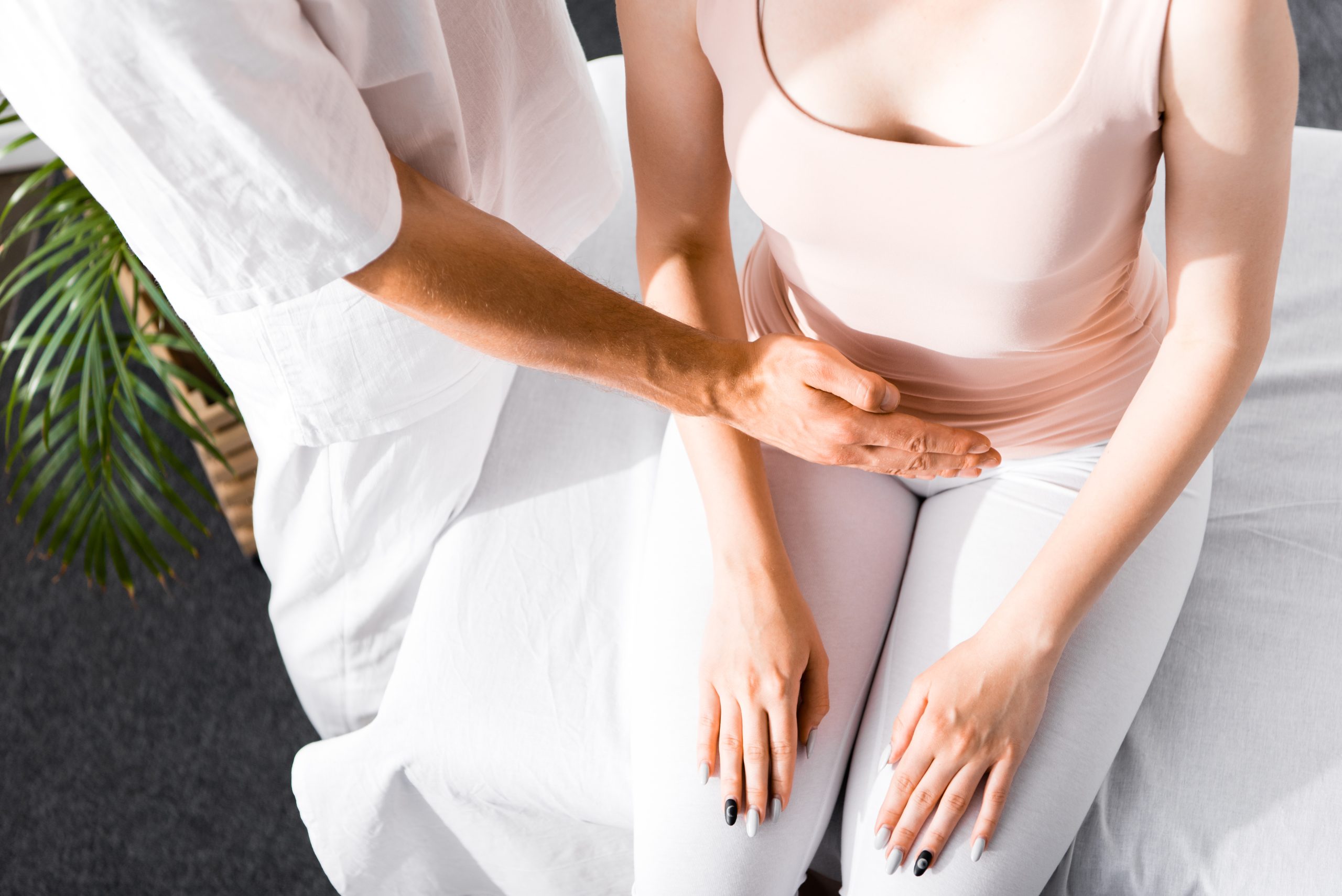
The Pelvic Floor Physiotherapy Calgary is a set of muscles and supportive tissues at the bottom of the pelvis that help support the bladder, bowel, uterus, and surrounding organs.
A well-functioning Pelvic Floor Physiotherapy Calgary supports far more than bladder control. It helps you:
Affects how the muscles tighten, relax, and coordinate. Treatment focuses on improving awareness, control, relaxation, strength, and pressure management.
For leakage during coughing, sneezing, exercise, lifting, or sudden urgency, we combine Pelvic Floor Physiotherapy Calgary training, bladder habits, breathing, and functional movement practice.
Frequent or sudden urges can interrupt work, travel, sleep, and daily routines. Treatment may include urge-management strategies, bladder training, and pelvic floor coordination.
May create heaviness, pressure, dragging, or a bulging sensation. Care focuses on pressure management, pelvic floor support, breathing, lifting habits, and gradual strengthening.
May involve the lower abdomen, pelvis, groin, hips, tailbone, or lower back. Treatment often emphasizes muscle relaxation, breathing, mobility, and a gradual return to activity.
May relate to pelvic muscle guarding, sensitivity, scar tissue, stress, hormonal changes, childbirth, or previous pain. We support relaxation, tissue mobility, comfort, and body awareness.
We address straining, incomplete emptying, poor coordination, and difficulty relaxing the pelvic floor through positioning, breathing, and abdominal support.
Support for pelvic discomfort, back pain, pelvic pressure, bladder leakage, and mobility, adjusted to each stage of pregnancy.
Care after vaginal or Cesarean birth may address Pelvic Floor Physiotherapy Calgary, leakage, prolapse symptoms, scar sensitivity, abdominal weakness, and return to exercise.
We focus on abdominal wall control, breathing, pressure management, posture, and gradual strengthening for lifting, exercise, childcare, and daily movement.
Pelvic Floor Physiotherapy Calgary concerns can arise at any point, not only during or after pregnancy. We support women through:
managing bladder leakage, pelvic girdle pain, lower back pain, and pelvic heaviness safely at each trimester.
addressing perineal pain, diastasis recti, urinary leakage, core weakness, scar tissue, and return to exercise after vaginal or Cesarean birth.
treating urgency, frequency, stress incontinence, and pelvic discomfort linked to hormonal tissue changes.
restoring pelvic floor strength, scar mobility, coordination, and daily function following hysterectomy, prolapse repair, or bladder surgery.
Pelvic Floor Physiotherapy Calgary isn’t only for women. Men have a pelvic floor too, and when it isn’t functioning well, it can affect daily life. We support men dealing with:

Your physiotherapist reviews your symptoms, health history, bladder and bowel habits, pregnancy or surgical history, and goals, then assesses breathing, posture, core control, and Pelvic Floor Physiotherapy Calgary function to build a plan around your needs.
Many people have heard of Kegel exercises, but a large portion of people aren’t able to correctly contract the right muscles from written or verbal instruction alone. We assess your Pelvic Floor Physiotherapy Calgary function directly and teach exercises that target the correct muscles for your body and your condition. For some, this means strengthening; for others, it means learning to fully release and relax.
Biofeedback uses real-time information, shown through a screen or sound, to help you see whether you’re contracting or relaxing the right muscles. This is particularly helpful for incontinence, Pelvic Floor Physiotherapy Calgary, or difficulty coordinating pelvic floor activity during standing, sitting, or lifting.
When pelvic floor muscles are very weak, exercise alone may not be enough to activate them effectively. Electrical muscle stimulation gently reminds the muscles how to contract, and strengthening exercises are added as function improves.
Hands-on treatment may include soft tissue work around the hip, lower back, and Pelvic Floor Physiotherapy Calgary to address related muscle tightness, joint restriction, and postural imbalances. Scar tissue mobilization is also available for those recovering from perineal tearing, episiotomy, or Cesarean section.
We provide structured bladder training to help extend the time between bathroom trips, manage urge sensations, and improve bladder capacity. For bowel concerns, retraining focuses on timing, positioning, and coordination with effective emptying.
What you do between sessions matters as much as what happens in the clinic. We provide guidance on fluid intake, dietary factors affecting bladder and bowel function, safe lifting, postural adjustments for feeding and carrying, and breathing strategies that support recovery.
Yes, it is safe.
In many cases, Pelvic Floor Physiotherapy Calgary is covered under extended health benefit plans that include physiotherapy services. It’s worth confirming with your provider:
Our front desk team can help with receipts, coverage questions, and direct billing where available.
Pelvic health concerns are personal. Appointments are approached with clear communication, informed consent, privacy, and respect for your comfort.
Your plan reflects your symptoms, life stage, goals, pain level, bladder and bowel habits, pregnancy or childbirth history, and daily demands.
Treatment connects directly with lifting, coughing, exercise, childcare, work, sleep, intimacy, and bathroom habits, giving you tools you can use outside the clinic.
From pregnancy through postpartum recovery, menopause, and post-surgical rehabilitation, our physiotherapists support women and men through every stage.

Google Ratings
Based on 302 Reviews
Pelvic Floor Physiotherapy Calgary dysfunction is common, but it isn’t something you have to accept as permanent. Our pelvic floor physiotherapy Calgary focuses on comfort, control, strength, relaxation, and practical improvements in daily life.
Our physiotherapists are ready to listen, assess your condition without judgment, and work with you on a personalized program to restore function, reduce discomfort, and rebuild your confidence in your body.
Book your Pelvic Floor Physiotherapy appointment in Calgary with Easthills Physiotherapy today.

Physiotherapist

PT/Clinic Director

Physiotherapist
Pelvic floor physiotherapy supports muscles and tissues involved in bladder control, bowel function, sexual comfort, pelvic support, breathing, and core stability. Care may include strengthening, relaxation, coordination, education, and movement guidance.
The pelvic health supports the bladder, bowel, uterus, and surrounding structures. It also contributes to continence, sexual function, breathing, posture, core control, and pressure management during coughing, lifting, exercise, and movement.
People experiencing bladder leakage, pelvic pain, urgency, constipation, prolapse symptoms, painful intercourse, postpartum concerns, core weakness, or changes after pelvic surgery may benefit from pelvic floor physiotherapy in Calgary.
No. Pelvic floor physiotherapy supports women and men experiencing bladder leakage, bowel concerns, pelvic pain, post-surgical changes, sexual discomfort, muscle tension, weakness, or difficulty coordinating the pelvic muscles during movement.
No. Pelvic floor muscles may be weak, tight, overactive, poorly coordinated, or slow to relax. An assessment helps determine whether care should focus on strengthening, relaxation, timing, endurance, or pressure control.
Kegels are one type of pelvic exercise, but they are not appropriate for everyone. Some people need relaxation, breathing, coordination, mobility, or endurance work before repeated strengthening becomes helpful.
Common signs include bladder leakage, urgency, constipation, pelvic pressure, heaviness, painful intercourse, tailbone discomfort, core weakness, and difficulty with sitting, lifting, coughing, exercising, bowel movements, or other daily activities.
Yes. Pelvic floor changes may contribute to leakage during coughing, sneezing, laughing, running, jumping, lifting, or sudden urgency. Care focuses on muscle timing, breathing, pressure control, bladder habits, and strength.
Pelvic floor physiotherapy may help reduce sudden or frequent urges through bladder training, breathing, urge-control strategies, pelvic muscle coordination, fluid guidance, and gradual changes to bathroom habits throughout your daily routine.
Yes. Tight or poorly coordinated pelvic muscles can make bowel movements difficult. Physiotherapy may address relaxation, breathing, toileting position, abdominal support, movement habits, and reducing repeated straining during bowel movements.
Pelvic floor dysfunction may contribute to discomfort in the lower abdomen, groin, tailbone, hips, lower back, perineum, or genital area. Care often focuses on relaxation, mobility, breathing, and reducing muscle guarding.
Pelvic floor physiotherapy may help when muscle tension, scar sensitivity, hormonal changes, childbirth, surgery, or previous pain contribute to discomfort during intercourse. Care supports relaxation, tissue mobility, breathing, and body awareness.
Pelvic organ prolapse may feel like heaviness, pressure, dragging, or a bulging sensation in the pelvic area. Symptoms may become more noticeable during standing, lifting, coughing, bowel movements, or prolonged activity.
Pelvic floor physiotherapy may support pregnancy-related pelvic pain, back discomfort, bladder leakage, pelvic pressure, mobility concerns, and childbirth preparation. Care is adjusted to your pregnancy stage, symptoms, comfort, and health guidance.
Timing depends on birth recovery, symptoms, comfort, and medical guidance. Early care may focus on breathing, gentle movement, bladder habits, and comfort before progressing toward strengthening, lifting, exercise, and impact activity.
Yes. Care may support pelvic pain, leakage, weakness, prolapse symptoms, scar sensitivity, muscle guarding, and return to exercise after vaginal birth. Treatment progresses according to healing, comfort, and daily demands.
Yes. Pelvic floor and core concerns can still occur after a Cesarean birth. Care may address breathing, scar mobility, abdominal strength, pelvic coordination, lifting, posture, movement confidence, and gradual exercise.
Physiotherapy for diastasis recti focuses on breathing, abdominal wall control, pressure management, posture, core strength, and gradual return to lifting, childcare, work, gym training, and comfortable everyday movement.
Bladder leakage is common after childbirth, but it does not need to be accepted as permanent. Pelvic floor physiotherapy may improve muscle timing, strength, breathing, pressure management, and confidence during activity.
Hormonal changes during perimenopause and menopause affect tissue comfort, bladder control, pelvic support, and sexual function. Physiotherapy may support strength, relaxation, mobility, pressure management, and practical symptom education.
Male Pelvic Floor Physiotherapy Calgary
supports bladder control, bowel function, pelvic comfort, sexual function, core stability, and recovery after prostate or pelvic surgery. Care focuses on strength, relaxation, coordination, and daily activity.
Yes. Men may experience pelvic floor weakness, tightness, poor coordination, pain, urinary leakage, urgency, constipation, or discomfort with sitting and sexual activity. Pelvic Floor Physiotherapy Calgary
provides private, respectful care for these concerns.
Pelvic floor rehabilitation after prostate surgery may support bladder control, muscle awareness, endurance, breathing, pressure management, coughing, lifting, walking, exercise, and gradual return to work and everyday routines.
Male pelvic pain may involve the perineum, groin, lower abdomen, hips, tailbone, or lower back. Treatment may emphasize relaxation, breathing, mobility, pain education, and reducing protective pelvic muscle tension.
Yes. Urgency may relate to pelvic muscle tension, poor coordination, bladder habits, or post-surgical changes. Physiotherapy may address urge control, breathing, muscle awareness, bladder training, and functional movement strategies.
Some men benefit from Kegels, particularly after prostate surgery, but repeated tightening is not always appropriate. Assessment determines whether strength, endurance, relaxation, coordination, breathing, or pressure management should be emphasized.
Your physiotherapist reviews symptoms, health history, bladder and bowel habits, pain, surgeries, childbirth history, exercise, and goals. Assessment may include breathing, posture, core control, movement, strength, relaxation, and coordination.
No. An internal examination is not always necessary. Your physiotherapist explains available assessment options and their purpose, then proceeds only with informed consent. You can pause, decline, or change your decision.
Wear comfortable dresses that allow easy movement of the hips, lower back, and abdomen. Your physiotherapist will explain each part of the assessment and protect your privacy throughout the appointment.
Questions may cover bladder leakage, urgency, bowel habits, pelvic pain, sexual discomfort, pregnancy, childbirth, surgery, exercise, work, sleep, medication, and the daily activities most affected by your current symptoms.
Breathing, posture, abdominal pressure, and pelvic floor function work together. Poor coordination or breath-holding may increase pelvic pressure and contribute to leakage, pain, prolapse symptoms, constipation, or exercise difficulties.
Yes. Bring relevant medical notes, surgical instructions, imaging reports, medication details, or referral information. These records help your physiotherapist understand your history and plan care around current precautions and goals.
Treatment for weakness may include muscle awareness, gentle contractions, full relaxation, endurance work, breathing coordination, and practice during coughing, lifting, exercise, and other activities that increase pressure through the pelvis.
Care for an overactive pelvic floor focuses on relaxation rather than repeated strengthening. Strategies may include diaphragmatic breathing, relaxation positions, gentle mobility, body awareness, soft-tissue care, education, and reducing muscle guarding.
Pelvic floor muscle training teaches you to identify, contract, relax, and coordinate the pelvic muscles correctly. Exercises progress according to strength, endurance, symptoms, pressure demands, and activities you perform regularly.
Biofeedback provides visual or sound-based information about pelvic floor muscle activity. It may improve awareness, relaxation, timing, and coordination when someone has difficulty identifying whether the muscles are tightening or releasing.
Bladder training helps reduce frequent bathroom visits and sudden urges through scheduled habits, urge-control strategies, breathing, fluid guidance, and pelvic floor coordination. Changes are introduced gradually according to your symptoms.
Bowel retraining addresses toileting posture, breathing, abdominal support, timing, fluid habits, movement, and pelvic floor relaxation. The goal is to support easier emptying while reducing repeated straining and discomfort.
Exercises may include pelvic floor strengthening, relaxation, breathing, core control, hip strengthening, mobility, balance, posture work, and functional practice for lifting, coughing, running, childcare, work, or other daily activities.
Exercise frequency depends on whether your pelvic muscles are weak, tight, painful, or poorly coordinated. Your physiotherapist provides a personalized schedule to prevent overtraining, breath-holding, fatigue, and unnecessary muscle tension.
Yes. Most people can continue exercising with suitable changes. Your physiotherapist may guide breathing, pressure management, lifting, impact activity, and gradual progression according to symptoms during exercise and afterward.
Return-to-running care may include pelvic floor control, core and hip strength, breathing, pressure management, walking tolerance, impact preparation, and gradual progression based on leakage, pressure, pain, and recovery response.
Avoid repeated straining, breath-holding, forcing painful exercises, performing excessive Kegels without assessment, ignoring worsening symptoms, and returning to heavy lifting or impact activity before control and tolerance have improved.
Yes. Care may teach breathing, pelvic floor timing, abdominal pressure control, posture, and gradual strength development for lifting children, groceries, workplace items, gym weights, and other loads more comfortably.
Pelvic floor physiotherapy is often covered through extended health benefits that include physiotherapy. Annual limits, reimbursement amounts, referral requirements, direct billing availability, and eligible treatment methods vary between individual policies.
A referral is generally not required to book pelvic floor physiotherapy, but some insurance plans request one for reimbursement. Check your policy and bring relevant medical, surgical, pregnancy, or claim information.
Direct billing may be available for participating insurance plans, depending on your provider, policy, and clinic arrangements. Bring your insurance information so our administration team can review the available billing options.
Recovery time varies according to symptoms, muscle function, pain, surgery, childbirth history, daily demands, and exercise consistency. Your physiotherapist monitors progress and adjusts care as comfort, control, and function improve.
East Hills Physiotherapy provides private, consent-based pelvic health care shaped around your symptoms, comfort, life stage, and goals. Treatment may include exercise, relaxation, breathing, manual therapy, and bladder or bowel strategies.
Contact East Hills Physiotherapy by phone or use online booking when available. Share your main concern, preferred Calgary location, appointment availability, insurance information, and any relevant pregnancy, surgery, or referral details.
My partner has been working with Aanchal for her pelvic floor needs and she can’t rave about her enough. She is very personable and thoughtful, puts you at ease instantly. She has taken pelvic floor sessions before from another provider, however Aanchal is truly passionate about her craft and it shows. The exercise program is very simple but effective. Love the smiling staff for all their help!
Aanchal is amazing! I had severe lower back pain and headaches that happen multiple times a week. I have done a few sessions with her and feel so much better already. Highly recommend pelvic floor physiotherapy, this helped my lower back pain significantly. Aanchal personalizes your treatment plan based on your needs and really works to get to the root of the issue. She is also wonderful at recommending treatment with other resources, such as rapid massage and acupuncture to ensure a full and fast recovery is achieved.
I saw Aanchal Badhwar for pelvic floor physio and I am very happy with my results. She took the time to educate me on my condition and discussed various approaches to suit my needs. I have also referred other family and friends to her because not many people know about this hidden gem. The front desk staff is always smiling and prompt with any changes needed to my appointments.
I was referred to East Hills by a friend when I was having unexplained back pain and could barely walk. On my first visit I was so impressed with Aanchal, she was very helpful in explaining things that could help relieve my pain and I really enjoyed the dry-needling. I was able to walk out of the clinic on my own! I have now seen her for both regular physio and pelvic floor physio and have had great results with both and I would highly recommend her to anyone.
Anchal is AMAZING. It has been so helpful seeing her for pelvic floor physio during my pregnancy. I highly recommend seeing her!