

At Easthills Physiotherapy, we provide acupuncture Calgary for people managing pain, muscle tension, stiffness, headaches, reduced mobility, and physical strain. This traditional Chinese medicine technique uses thin needles placed at selected points according to your symptoms, comfort, and care goals. Whether your concern developed after an injury, repetitive work, sports, prolonged sitting, or changes in activity, we work with you to support more comfortable movement and daily function.
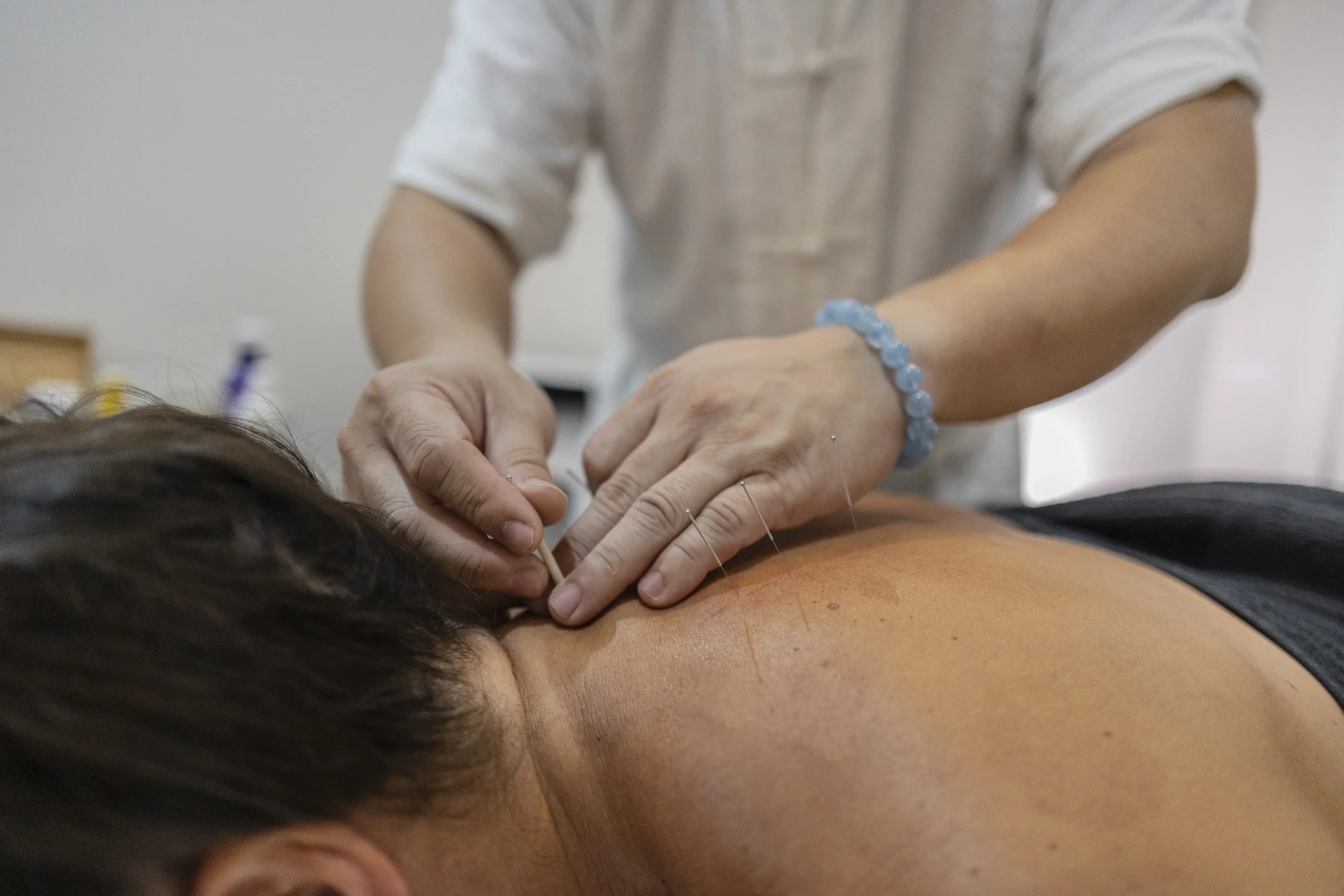
It is a traditional Chinese medicine (TCM) approach used to treat a number of painful conditions, including fibromyalgia and chronic fatigue syndrome.
Widespread muscle discomfort and tenderness associated with fibromyalgia may respond well to acupuncture as part of a broader pain management approach.
Ongoing fatigue paired with muscle discomfort is one of the conditions acupuncture is traditionally used to support, often alongside a personalized physiotherapy plan.
Long-standing tightness through the neck, shoulders, back, or hips, often linked to stress, posture, or repetitive strain, may ease with acupuncture combined with hands-on treatment.
Tension building through the neck and upper back can contribute to recurring headaches, and acupuncture may be used alongside manual therapy to help address the underlying tightness.
Tight, overworked muscles from physical activity or repetitive job demands may benefit from acupuncture as part of a recovery plan that also includes therapeutic exercise.
For patients managing ongoing tension or discomfort following an accident or workplace injury, acupuncture may be added alongside manual therapy and spinal manipulation to support a fuller recovery.
Tightness or discomfort around the jaw, often linked to clenching, stress, or restricted movement, may ease with acupuncture combined with manual therapy.
Some patients carry tension throughout the body without a single clear injury. Acupuncture Calgary can help address this more diffuse tightness as part of a broader wellness-focused plan.
When ongoing muscle tension makes it hard to get comfortable at night, acupuncture Calgary may help ease that tightness alongside posture and movement strategies.
Acupuncture can play a supportive role in a broader physiotherapy plan by helping to:
Your physiotherapist asks about your symptoms, how long you've had them, and what has or hasn't helped so far, then does a hands-on assessment to identify the areas driving your discomfort.
Based on your assessment, your physiotherapist decides whether acupuncture, dry needling, or a combination fits your situation and explains what to expect before starting.
Thin, disposable needles are placed at the identified points and left in place for a short period while you rest comfortably.
After the needles are removed, your physiotherapist may add manual therapy, spinal manipulation, or guided stretching depending on your plan, then discuss what to expect over the following day.
You'll leave with simple advice on hydration, movement, and posture to help extend the relief from your session until your next visit.
Acupuncture Calgary is rooted in traditional Chinese medicine, which views pain and tension as signs of blocked or imbalanced flow through the body. Fine needles are placed at points to help correct that imbalance and encourage the body toward relief.

Both techniques use a similar tool, a thin needle, but the approach and purpose differ.
It is generally safe for appropriately assessed patients when performed by a trained physiotherapist.
A feeling of relaxation or lightness is common and often lingers for the rest of the day Mild soreness at needle points may occur, similar to light muscle fatigue, and usually resolves quickly on its own Staying hydrated and continuing gentle movement, rather than resting completely, often supports comfort afterward Your physiotherapist checks in on how your body responded before planning your next visit For chronic conditions such as fibromyalgia or ongoing muscle tension, results tend to build gradually across several sessions rather than appearing after just one
Acupuncture Calgary is provided as part of physiotherapy care at Easthills Physiotherapy and may be covered through: Extended health benefits (check your annual maximum and per-visit allowance) Approved Workers' Compensation Board (WCB) Alberta claims Eligible motor vehicle accident coverage Direct billing with participating insurance providers, reducing the need to submit receipts yourself A physician's referral is usually not required to book physiotherapy, though some insurers may request one for reimbursement
Your plan is built around your symptoms and comfort, with acupuncture tailored specifically to the areas causing you problems.
It may be combined with manual therapy, dry needling, spinal manipulation, massage therapy, or therapeutic exercise depending on what your body needs.
We explain each step so you understand what's being done and why, and your comfort guides every decision.
From stress management to home strategies, we focus on results that hold up once you leave the clinic.
Direct billing may be available for eligible extended health, WCB Alberta, and motor vehicle accident claims.
Pain, tight muscles, and restricted movement can affect work, sleep, exercise, and everyday routines. At Easthills Physiotherapy, we provide acupuncture Calgary as part of personalized care shaped around your symptoms, comfort, and goals.
We may combine acupuncture calgary with hands-on physiotherapy, movement education, therapeutic exercise, and practical home strategies to support steady progress. Contact our Southeast or Northeast Calgary clinic to arrange your appointment.
We hear your concerns, evaluate your movement, explain your care options, and create a plan focused on helping you move with greater comfort and confidence.

PT/Clinic Director

Physiotherapist

Physiotherapist

Physiotherapist
Acupuncture in Calgary uses thin, sterile needles placed at selected points to support pain management, reduce muscle tension, and improve comfortable movement. At Easthills Physiotherapy, it may be included within a broader physiotherapy plan.
Acupuncture in physiotherapy means selected needle points are used alongside movement care, hands-on treatment, exercise, and education. The aim is to support comfort, mobility, and participation in daily activities or rehabilitation.
Acupuncture and dry needling both use thin needles, but they follow different approaches. Acupuncture uses selected points based on your symptoms, while dry needling focuses more directly on muscles and sensitive trigger points.
No. Acupuncture uses fine needles at selected points, while massage therapy uses hands-on pressure and movement over muscles and soft tissues. Both may support comfort, but they are delivered differently.
People often search for acupuncture when pain, tension, headaches, stiffness, or activity-related soreness affects sleep, work, exercise, or daily routines. Acupuncture may be included within a personalized physiotherapy program.
Acupuncture may be used around the back, neck, shoulders, hips, knees, arms, legs, jaw, and other suitable areas. Needle placement depends on your symptoms, health history, comfort, and treatment goals.
Acupuncture is often chosen for pain management, but it may also support relaxation, reduced muscle tension, easier movement, and participation in exercise. Its role depends on your needs and overall care plan.
Acupuncture for back pain in Calgary may support comfort when soreness, stiffness, or muscle tension affects sitting, standing, bending, lifting, walking, or sleep. We may combine it with exercise and hands-on physiotherapy.
Acupuncture for neck pain may help reduce surrounding muscle tension and make turning, driving, desk work, or sleeping more comfortable. Care may also include mobility exercises, posture guidance, and shoulder strengthening.
Acupuncture may be considered for headaches linked to neck, shoulder, jaw, or upper-back tension. Your care may also include movement guidance, relaxation strategies, manual therapy, and practical changes to screen habits.
Acupuncture may support shoulder comfort when muscle tension or soreness limits reaching, lifting, dressing, sleeping, or overhead activity. We may pair it with mobility work, strengthening, and gradual return to activity.
Acupuncture may be included for hip or knee discomfort when pain or tension affects walking, stairs, squatting, standing, or recreation. Treatment may also involve strengthening, balance work, and movement practice.
Acupuncture may support some people living with fibromyalgia or widespread muscle discomfort. Sessions are paced according to tolerance and may be combined with breathing, gentle movement, education, and gradual strengthening.
Acupuncture for sports injuries may help manage soreness, muscle tension, and movement limits during recovery. We usually connect needling with strength, mobility, load progression, and a gradual return to sport.
Your first acupuncture appointment includes a discussion about symptoms, health history, medications, activities, and goals. We may then assess movement, strength, flexibility, posture, and the areas connected to your concern.
During acupuncture, you are positioned comfortably while thin, sterile needles are placed at selected points. You may feel a brief pinch, warmth, pressure, heaviness, or mild aching around the area.
Appointment length depends on whether it is your first visit, the number of areas being treated, and other physiotherapy services included. Contact our clinic for current scheduling and appointment details.
Wear comfortable dresses that allow access to the area being treated and make movement assessment easier. Shorts, loose pants, or a relaxed shirt are often suitable for acupuncture appointments in Calgary.
After acupuncture, some people feel relaxed, tired, mildly tender, or temporarily different in movement. We may suggest hydration, gentle activity, and specific exercises based on your response and care plan.
Acupuncture needles are very thin and used only once. They are sterile and safely discarded after treatment. We explain the process before beginning and encourage you to share any concerns.
Acupuncture can be safe when provided by a trained health professional after reviewing your health history, medications, symptoms, and comfort. We select points carefully and monitor how you respond during treatment.
Acupuncture may not suit every person or every health situation. Your provider reviews relevant medical concerns, medications, skin condition, pregnancy status, and preferences before deciding whether needling is appropriate for you.
Acupuncture during pregnancy depends on your health, symptoms, stage of pregnancy, and provider training. We review comfort, positioning, and point selection carefully before including them within your overall care plan.
Older adults may receive acupuncture when it suits their health, comfort, and goals. We consider medications, skin conditions, circulation, mobility, and positioning needs before planning a session at our Calgary clinic.
People taking blood-thinning medication should tell their provider before acupuncture. Needling may still be considered, but point selection, pressure, and monitoring may need to be adjusted for safety and comfort.
Possible short-term responses include mild soreness, small bruises, temporary tiredness, or lightheadedness. Tell us about anything unexpected, persistent, or concerning so we can guide you and adjust future care.
Acupuncture and manual therapy may be used within the same physiotherapy plan. Acupuncture can support pain and tension management, while manual therapy works directly with joints, muscles, fascia, and movement restrictions.
Acupuncture may make movement or exercise feel more manageable, while therapeutic exercise helps build strength, control, and activity tolerance. We select exercises according to your symptoms, goals, and current abilities.
Acupuncture and massage therapy may complement one another when muscle tension, stress, or movement discomfort affects your routine. They are different services and may be scheduled separately according to your care plan.
Acupuncture and dry needling may sometimes appear within one broader physiotherapy plan, but they target concerns differently. Your physiotherapist explains which approach may fit your symptoms, comfort, and recovery goals.
Acupuncture may be combined with spinal manipulation when both services suit your needs. We assess your movement and health first, explain each option, and connect treatment with exercise and home guidance.
Home exercises help you build on changes noticed after acupuncture. Your plan may include mobility work, stretching, strengthening, breathing, posture guidance, or activity adjustments that fit your daily routine more easily.
Acupuncture may support desk workers managing neck tension, shoulder tightness, headaches, or lower-back discomfort. We may also review screen position, sitting habits, movement breaks, and exercises for the workday.
People with physical jobs may seek acupuncture when lifting, carrying, bending, reaching, or repetitive tasks create soreness and tension. Care may also include strengthening, movement practice, and workload guidance for recovery.
Acupuncture for sports injuries may support pain management and muscle comfort during recovery. We connect needling with mobility, strength, control, and gradual sport practice based on your activity demands and goals.
Acupuncture may be included after a motor vehicle accident when pain, tension, headaches, or guarded movement affects recovery. Suitability depends on your injuries, claim requirements, comfort, and overall treatment plan.
Acupuncture may support some workplace injury plans when muscle tension, pain, or movement limits affect job duties. Coverage and treatment approval depend on the claim, provider requirements, and your circumstances.
Acupuncture may be considered during post-surgical recovery when pain, tension, or reduced activity affects comfort. Timing depends on healing, medical guidance, skin condition, and the rest of your rehabilitation plan.
Many extended health plans may cover acupuncture in Calgary, but provider requirements, annual limits, visit amounts, and referral rules vary. Contact your insurer before booking to confirm your specific benefits.
Direct billing may be available for eligible acupuncture claims, depending on your insurer, policy, and clinic arrangements. Bring your insurance details so our administration team can review the available billing options.
You generally do not need a physician referral to book acupuncture in Calgary, although some benefit plans may require one for reimbursement. Check your policy before attending to avoid unexpected claim issues.
Acupuncture pricing can vary by appointment length, provider, and whether it is included within physiotherapy care. Contact East Hills Physiotherapy for current fees, payment methods, and booking information in Calgary.
Same-day acupuncture appointments depend on provider availability, appointment type, and the time needed for assessment. Calling early may give you more options across our Southeast and Northeast Calgary locations.
Book acupuncture by calling East Hills Physiotherapy or using online booking when available. Share your main concern, preferred location, schedule, insurance information, and whether your symptoms relate to an accident.
The number of acupuncture sessions is based on your symptoms, goals, response to care, activity demands, and the length of time the concern has been present. We review progress and adjust frequency.
Some people notice greater comfort or easier movement after one acupuncture session, while others improve gradually. Your response depends on the concern, symptom duration, daily demands, and overall care plan.
A personal assessment is the clearest way to decide whether acupuncture suits your needs. We review your symptoms, health history, medications, comfort, movement, goals, and available care options with you.
East Hills Physiotherapy provides acupuncture within personalized care that may also include manual therapy, exercise, posture guidance, and home strategies. We serve people across Southeast and Northeast Calgary community locations.
Our acupuncture care is connected to your movement, activities, comfort, and wider physiotherapy plan. We explain each step, monitor your response, and adjust needling or other services as your needs change.
When searching for acupuncture near me, consider clinic location, provider qualifications, insurance options, appointment availability, and whether care includes movement support. East Hills Physiotherapy serves Southeast and Northeast Calgary communities.
Aanchal my physiotherapist is just amazing. Her hands are magic and her approach is so gentle. She educates every concern and this just increases my confidence in her care. Highly recommend her!
Thanks to Aanchal I can now go for long walks with my dog! I started my sessions for shoulder concerns but she works with the body as a whole and this just really improved my quality of life. Thanks to Simran and niba too!
An amazing experience the whole way through. It feels like a welcoming environment and I always leave feeling better than when I came in. I always trust coming to physio, as its the reason I'm walking today.
The doctors and assistants here are very enthusiastic and professional. My hands and shoulders have been hurting for a long time. I have almost recovered in a month here, especially massage, acupuncture and moxibustion.
Great place, they really take care of you! See Ramesh, he does really good work. I always feel better after coming here.