

At EastHills Physiotherapy, we provide spinal manipulation Calgary for suitable neck, back, and joint concerns that may be affecting your movement and daily comfort. This hands-on technique uses a carefully controlled force to support joint motion, reduce stiffness, and help you participate more comfortably in exercise and everyday activities. Before recommending this service, we complete a detailed musculoskeletal assessment and discuss your symptoms, health history, goals, and comfort level.

Spinal manipulation, also called spinal adjustment, is a hands-on technique in which your physiotherapist applies a controlled force to a spinal joint.
Your spine supports far more than your back. A well-moving spine helps you:
Our physiotherapy clinic in Calgary offers hands-on and movement-based therapy for pain, injury, and restricted function. Every treatment plan starts with a musculoskeletal assessment, so we understand what is driving your pain before treatment begins.
Lower back pain can affect sitting, standing, lifting, walking, sleeping, and work. Sciatica may cause pain, burning, numbness, or tingling in the leg. Spinal manipulation may improve joint movement and reduce spine stiffness when appropriate, often alongside nerve-friendly exercises and hip strengthening.
Neck stiffness often develops from screen use, driving, stress, or sleep positions. Restricted joints in the upper neck may also contribute to headaches around the temples, forehead, or base of the skull and can leave the shoulders and upper back feeling tight as they compensate.
Long periods of sitting, driving, desk work, or repetitive activity can create uneven strain through the neck, shoulders, spine, and hips. Hands-on joint care, paired with strengthening, ergonomic guidance, and posture changes, helps reduce recurring discomfort.
Running, golf, hockey, tennis, gym training, lifting, and physical workplace repeated stress on the spine. Spinal manipulation supports mobility after strain and is often combined with strengthening, job- or sport-specific exercises, and a gradual return-to-activity plan.
Whiplash may cause neck pain, headaches, dizziness, and reduced mobility following a collision. Spinal manipulation, when appropriate, is introduced gradually alongside gentler techniques as your symptoms settle.
Ongoing joint changes can contribute to stiffness and reduced movement over time. Spinal manipulation, when suitable, is combined with mobility work and strengthening to support day-to-day comfort.
Pregnancy can change posture and loading through the back, hips, and pelvis. Gentle manual techniques may support comfort and mobility, with care adapted to your stage of pregnancy and comfort level.
We work with your physician and insurance provider to help you recover following an accident or workplace injury, building a plan around your symptoms, recovery stage, and daily demands.
Your physiotherapist reviews your symptoms, health history, previous injuries, daily activities, and goals, then assesses posture, spinal movement, joint stiffness, and muscle tension to determine whether spinal manipulation or a gentler approach fits your situation.
Treatment may include spinal mobilization, spinal manipulation, or both. Mobilization uses slow, controlled movements to reduce stiffness and improve joint motion. Manipulation uses a quicker, targeted movement at a specific joint. A clicking sound may occur as pressure changes within the joint, which is generally normal and not the goal of treatment.
Tight muscles can continue to limit movement even after joint stiffness improves, so we often add myofascial release, trigger-point techniques, or soft tissue work around the neck, back, shoulders, or hips to support the results of your spinal treatment.
For patients dealing with ongoing muscle tension or pain that hasn't responded fully to hands-on treatment alone, acupuncture may be added to your plan. This traditional technique uses thin needles placed at specific points to help ease pain and encourage muscle relaxation, working alongside spinal manipulation rather than replacing it.
Dry needling is another option we may use to target myofascial trigger points contributing to neck, back, or shoulder tightness. A fine and thin needle is inserted into the muscle to help reduce tension, calm pain signals, and support the range of motion gained through spinal manipulation. Unlike acupuncture, dry needling focuses specifically on the trigger points driving your discomfort.
Exercises help maintain the movement gained during treatment, including core strengthening, spinal mobility work, posture exercises, balance work, and controlled movement practice based on your needs.
You'll receive guidance on sleeping positions, workstation setup, lifting, and posture during daily tasks, along with a personalized home exercise program to support progress between visits.
Both techniques improve spinal movement and reduce stiffness. The right choice depends on your symptoms, comfort, and assessment findings.
Either technique may be combined with soft tissue therapy, stretching, strengthening, posture guidance, and home exercises.
Spinal manipulation Calgary is generally safe for appropriately screened patients when performed by a trained physiotherapist.
Spinal manipulation is provided as part of physiotherapy care at EastHills Physiotherapy and may be covered through:
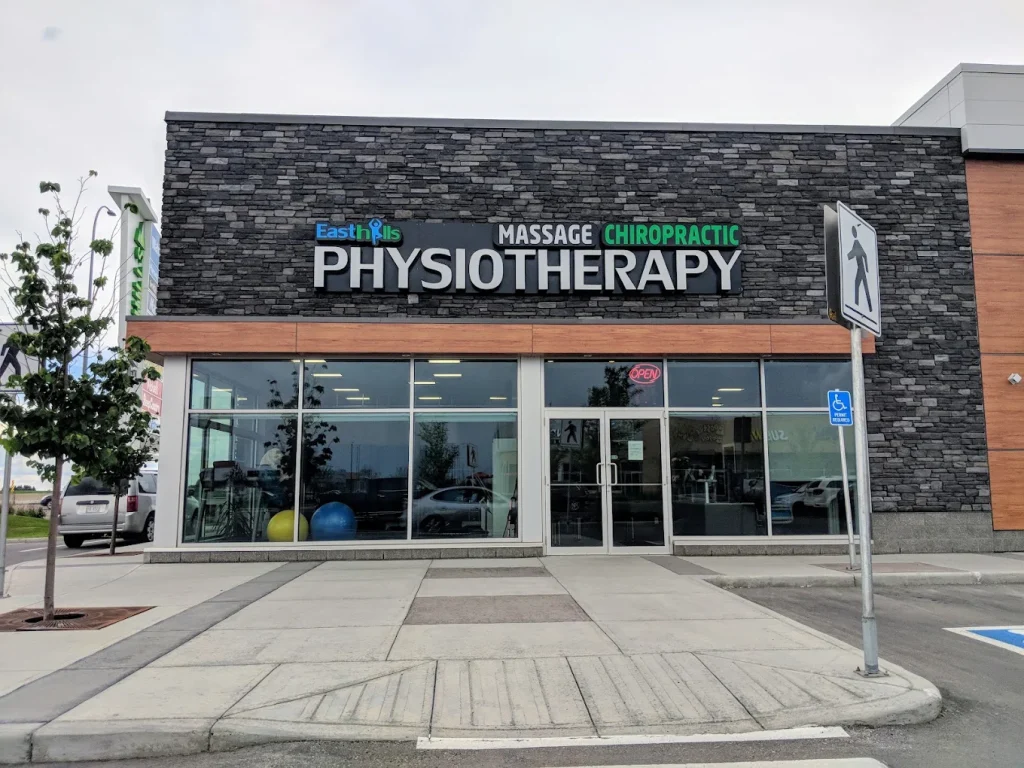
Your plan is built from a detailed musculoskeletal assessment and adjusted as your movement, strength, and comfort change.
Spinal manipulation may be combined with manual therapy, dry needling, therapeutic exercise, massage therapy, or the Graston Technique, depending on what your body needs.
We explain each step so you understand what's being done and why, and your comfort guides every decision.
From posture habits to home exercises, we focus on results that hold up once you leave the clinic.
Direct billing may be available for eligible extended health, WCB Alberta, and motor vehicle accident claims.

Google Ratings
Based on 302 Reviews
Back and neck pain does not have to be something you live with, and spinal manipulation Calgary is one of the ways our physiotherapy clinic helps patients across Southeast and Northeast Calgary get their movement back.
From a full musculoskeletal assessment to a treatment plan that combines spinal manipulation with manual therapy and exercise, we build your care around your body and your goals, not a routine that looks the same for everyone. If back pain, neck pain, or stiffness has been holding you back, reach out to EastHills Physiotherapy today to book your assessment.
Call our EastHills Physiotherapy clinic or request an appointment online, and let’s build a plan that gets you moving again.
Our care team works together to support people managing back pain, neck stiffness, restricted joint movement, sports injuries, and mobility concerns. Spinal manipulation may be combined with manual therapy, guided exercise, soft-tissue care, posture education, and home movement strategies when appropriate.

PT/Clinic Director

Physiotherapist

Physiotherapist

Physiotherapist
Spinal manipulation is a hands-on physiotherapy technique that applies a controlled force to a suitable spinal joint. It may help improve joint movement, reduce stiffness, and support more comfortable participation in exercise and daily activities.
A spinal adjustment is another term often used for spinal manipulation. In physiotherapy, the technique is applied only after reviewing your health history, movement, symptoms, comfort, and treatment goals with you.
Physiotherapists may use spinal manipulation to support joint mobility when stiffness or restricted movement affects bending, turning, sitting, lifting, driving, exercise, work tasks, or other daily activities that matter to you.
Spinal manipulation may be considered for some mechanical back, neck, or mid-back restrictions. It is not suitable for every person, so we assess your history and movement before recommending it.
The clicking or popping sound can occur when pressure changes inside a joint during movement. It does not mean bones are being damaged, and it does not determine whether treatment was effective.
Both physiotherapists and chiropractors may use spinal manipulation, but their appointments can differ in assessment, treatment planning, exercise, and education. At our clinic, manipulation is provided within a broader physiotherapy care plan.
Some people notice easier movement after one visit, while others improve gradually over several appointments. Your response depends on the concern, its duration, daily demands, general health, and participation in recommended exercises.
Spinal manipulation is generally considered safe when provided by a trained physiotherapist after appropriate screening. We review your health history, symptoms, medications, previous injuries, and comfort before deciding whether the technique suits you.
It may not suit people with certain fractures, severe bone weakness, some inflammatory conditions, recent spinal surgery, or particular neurological symptoms. We review your history carefully and offer other physiotherapy options when needed.
Spinal manipulation during pregnancy depends on your health, stage of pregnancy, symptoms, and comfort. We assess you first and may use gentler manual therapy, positioning, movement, or exercise when those options are more suitable.
Age alone does not determine whether spinal manipulation is appropriate. We consider bone health, medical history, medications, balance, previous injuries, movement, and personal preferences before recommending any hands-on technique for an older adult.
Spinal manipulation may be considered after a motor vehicle accident, but timing depends on your injuries, symptoms, and recovery stage. We assess your movement first and may begin with gentler care when appropriate.
Some people experience temporary soreness, stiffness, tiredness, or mild discomfort after spinal manipulation. These responses usually settle quickly, but you should tell us about anything unexpected, persistent, or concerning after your appointment.
No. Spinal manipulation is optional, and we explain the purpose, expected feeling, possible responses, and alternatives before treatment. You may choose manual therapy, exercise, mobility work, or other approaches instead.
Spinal manipulation may support lower-back movement when joint stiffness contributes to discomfort. We often combine it with core control, hip mobility, strengthening, walking, lifting guidance, and home exercises suited to your activities.
Spinal manipulation may help selected neck or upper-back restrictions when appropriate. Your plan can also include gentle mobility exercises, shoulder strengthening, posture guidance, soft-tissue care, and changes to desk or driving habits.
Some headaches are linked with neck stiffness, muscle tension, posture, or reduced upper-back movement. Spinal manipulation may form part of care alongside mobility work, strengthening, relaxation strategies, and practical changes to daily habits.
Spinal manipulation may be considered for some people with leg pain linked to lower-back movement, but it is not suitable for every case. We assess strength, sensation, mobility, and symptom behaviour first.
Mid-back stiffness may develop with prolonged sitting, desk work, driving, repeated reaching, or changes in activity. Care can combine spinal manipulation, breathing exercises, upper-back mobility, shoulder strengthening, and posture guidance.
Spinal manipulation may help when joint stiffness contributes to difficulty finding a comfortable sleeping position. We may also review pillow support, sleep posture, evening movement, daytime activity, and exercises for neck or back mobility.
Your first visit includes a discussion of symptoms, health history, medications, previous injuries, activities, and goals. We then assess relevant movement, strength, posture, joint mobility, and function before discussing suitable care options.
Wear a dress that allows you to move and gives access to the area being assessed. Athletic clothing, shorts, or a loose shirt usually works well for neck, back, or shoulder appointments.
Appointment length depends on whether it is your first visit or a follow-up and which services are included. Contact our clinic for current scheduling details, arrival guidance, and any forms needed before attending.
Spinal manipulation should not feel unnecessarily painful. You may notice pressure, stretching, or a quick movement during the technique. Tell your physiotherapist immediately if you feel sharp, unusual, or increasing discomfort.
The joint may make a brief clicking or popping sound during spinal manipulation, although this does not happen every time. The sound is not required for treatment to support movement or reduce stiffness.
After your visit, we may recommend gentle movement, hydration, normal daily activity within comfort, and specific exercises. Avoid making major activity changes unless your physiotherapist provides instructions based on your response and goals.
Exercise helps maintain and build on movement gained through hands-on care. Your program may include mobility, core control, strengthening, balance, or work-related movements based on what you need to do comfortabl
Manual therapy includes several hands-on methods, such as joint mobilization, stretching, and soft-tissue work. Spinal manipulation is one technique within that broader category and uses a controlled, quicker movement at a suitable joint.
Massage therapy may be combined with spinal manipulation when muscle tension or general relaxation needs are part of your care plan. The services may occur on separate visits depending on scheduling and treatment goals.
Dry needling and spinal manipulation address different parts of a physiotherapy plan. One focuses on selected muscle areas, while the other targets joint movement. They may be combined when suitable for you.
Posture guidance can help you use improved movement during work, driving, lifting, and rest. We focus on practical changes, regular position shifts, and exercises rather than asking you to hold one rigid posture.
Custom orthotics do not directly replace spinal care, but they may support lower-limb alignment and weight distribution when foot mechanics influence standing or walking. We assess your feet and movement before recommending them.
Spinal manipulation may help selected athletes when joint stiffness limits training or sport movement. We combine care with strength, mobility, control, endurance, and gradual practice of the activities required for your sport.
Spinal manipulation may support movement, but safer lifting also depends on strength, control, load management, and technique. We can practise lifting tasks and build tolerance based on your job, home, or training needs.
Many people can continue modified gym activity while receiving spinal manipulation. We help you choose suitable exercises, adjust load or range, and progress gradually according to symptoms, movement, strength, and recovery goals.
Spinal manipulation may help joint stiffness related to prolonged sitting, but lasting improvement usually involves regular movement, workstation changes, strength, and mobility exercises. We tailor recommendations to your workday and available space.
Neck or back stiffness can make driving uncomfortable, especially when checking blind spots or sitting for long periods. Care may include spinal manipulation, mobility exercises, posture changes, breaks, and seat-position guidance.
Return timing depends on your injury, symptoms, strength, movement, and sport demands rather than spinal manipulation alone. We use gradual activity testing and exercise progressions to help you return with greater confidence.
Many extended health plans cover physiotherapy appointments that may include spinal manipulation, but policy limits vary. Contact your insurer to confirm annual amounts, referral rules, per-visit limits, and any required claim documents.
You usually do not need a physician’s referral to book physiotherapy in Calgary, although some insurance plans require one for reimbursement. Check your policy before attending so you understand its specific claim conditions.
Direct billing availability depends on your insurer, policy, and our current clinic arrangements. Bring your insurance information and ask our administration team whether electronic submission is available for your physiotherapy appointment.
The cost of spinal manipulation is generally included within the applicable physiotherapy appointment rather than charged as a separate service. Contact our clinic for current fees, payment options, and cancellation information.
Same-day spinal manipulation appointments depend on physiotherapist availability and whether the technique is suitable after assessment. Calling early may provide more scheduling options, particularly when you can attend either Calgary clinic location.
To book spinal manipulation in Calgary, contact East Hills Physiotherapy by phone or online booking when available. Share your main concern, preferred location, schedule, insurance details, and whether an accident caused your symptoms.
EastHills Physiotherapy provides personalized care, clear explanations, careful screening, hands-on treatment, and exercise guidance. We serve Southeast and Northeast Calgary and shape each plan around your movement, comfort, activities, and goals.
Ramesh Bimagani, PT and Clinic Director, is certified in spinal manipulation and has practised physiotherapy since 2000. He combines hands-on care, exercise, movement education, and other suitable physiotherapy methods for patient goals.
Our clinic serves people seeking spinal manipulation in Southeast Calgary, including those managing back stiffness, neck restrictions, work-related discomfort, sports concerns, or reduced mobility. Contact us for location and appointment details.
East Hills Physiotherapy also serves people looking for spinal manipulation in Northeast Calgary. Our team can explain current appointment availability, clinic directions, parking information, accessibility, and which location may suit your schedule.
Ask why spinal manipulation is being considered, what you may feel, possible short-term responses, available alternatives, and how exercise supports your plan. Clear answers can help you make a comfortable, informed treatment choice.
The only way to know whether spinal manipulation suits your needs is through a personal assessment. We review your health, symptoms, movement, goals, and preferences before discussing manipulation or other physiotherapy options.
I had a very good experience with East hills physiotherapy. Suchi was very accommodating, especially during emergencies, and also followed up over calls to check on progress. With the treatment and guidance provided, my back pain has reduced significantly. I would highly recommend this place to anyone looking for professional and supportive care.
East hills physiotherapy team is incredible. I was is so much pain and physiotherapist Ramesh Bidwani did an excellent work on my shoulder and now I am feeling perfectly fine. Simran was so helpful and a sweet girl, she did a great job as well. Thank You
HIGHLY RECOMMENDED!!! Simran, Ernest, Ramesh are so friendly. So pleasant, calm to dealt with. I love going to this clinic and been a client since 2023. Thanks for your great service and keep up the good work.
Have never been comfortable talking about my issues to a therapist but right away the therapist put me to ease and was comfortable explaining my issues. The therapist (Aanchal) was knowledgeable and made suggestions which made sense and helpful. Would highly recommend this clinic.
When I first walked in my pain level was at a 9. A few weeks before I was walking with a walking stick as I couldn’t put any weight on my leg knee. After 2 months I am now at a level 3 and rode a bike today. Thank you so much thank you 🙏 for all you have done great technique and hands on knowledge of what muscle was injured.